Disclosure: As an Amazon Associate, I may earn from qualifying purchases.
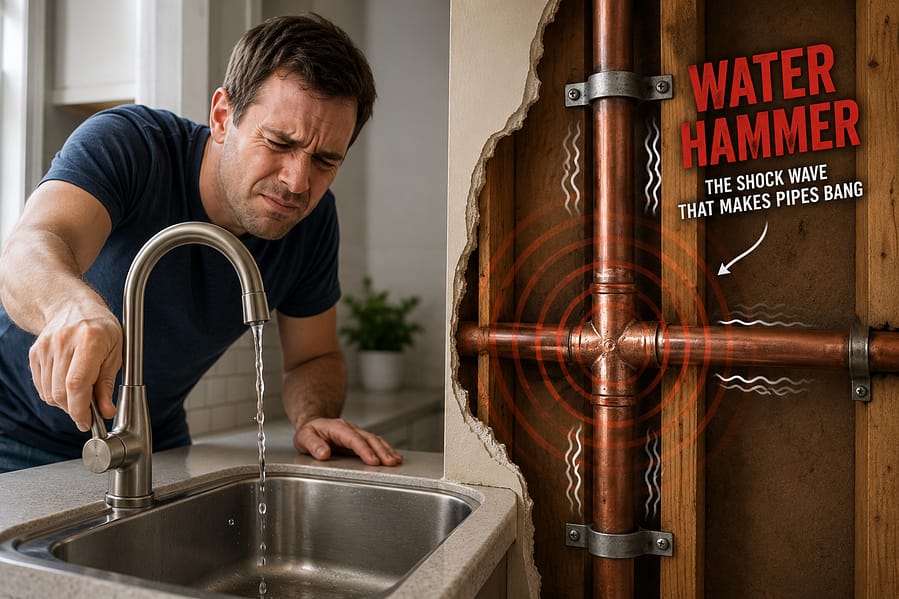
That loud bang after you shut off a faucet is not just annoying. It is your plumbing system telling you water is stopping too fast and the pressure wave has nowhere to go. If you are searching for water hammer fix steps, the goal is not just to quiet the noise. It is to protect pipes, valves, supply lines, and appliances from repeated shock.
Water hammer usually shows up when a washing machine, dishwasher, ice maker, or quick-closing faucet snaps shut. The moving water hits a sudden stop, and the force rattles the pipe. In some homes it sounds like a single thud. In others it becomes a machine-gun chatter inside the wall. Either way, the fix depends on what is actually causing it.
Start with the simplest water hammer fix steps
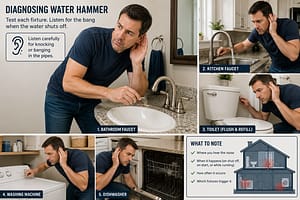
Before you buy anything, figure out where and when the noise happens. That matters. A bang at the washing machine points you in a different direction than a bang at one bathroom sink.
Run fixtures one at a time and listen carefully. Turn faucets on and off, flush toilets, and let appliances cycle if possible. If the sound only happens on one fixture, your repair can stay focused there. If it happens all over the house, you may be dealing with overall pressure, poor pipe support, or missing air chambers or arrestors in key spots.
Next, check whether the noise happens when water turns off, when it turns on, or during flow. Classic water hammer happens at shutoff. If the pipes rattle while water is running, loose pipes are often part of the problem. That is a different fix, even if the symptom sounds similar.
Shut off the water and drain the system
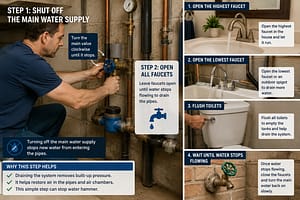
One of the oldest water hammer fix steps is restoring air in the plumbing system. Some homes have vertical pipe stubs called air chambers. They are meant to hold a pocket of air that cushions shock. Over time, those chambers can fill with water and stop doing their job.
To try this fix, shut off the main water supply to the home. Open the highest faucet in the house and then open the lowest faucet or an outdoor spigot to drain the lines. Flush toilets to empty as much water as possible. Once the water stops flowing, close the faucets and turn the main water back on slowly.
This does not solve every case, but it is worth trying because it costs nothing. If the banging goes away for a while and then returns, that tells you the system likely needs proper mechanical water hammer arrestors instead of relying on old-style air chambers.
Check the house water pressure
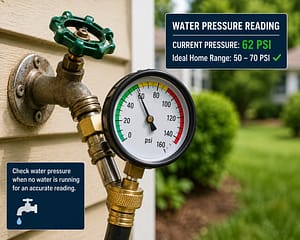
High water pressure makes water hammer worse. In a lot of homes, pressure that feels great at the shower is actually too high for long-term plumbing health. If your pressure is pushing past 80 psi, the system is under more stress than it should be.
Use a simple pressure gauge on a hose bibb or laundry connection and test when no fixtures are running. A normal target in many homes is around 50 to 70 psi. If the reading is high, look for a pressure reducing valve on the main water line. It is usually near where the water enters the house.
If you already have a pressure reducing valve, it may need adjustment or replacement. If you do not have one and your municipal pressure is high, adding one can help with more than noise. It can reduce wear on supply lines, fixtures, and appliance valves. The trade-off is that pressure issues are system-wide, so this is less of a quick fix and more of a plumbing protection upgrade.
Tighten and secure loose pipes
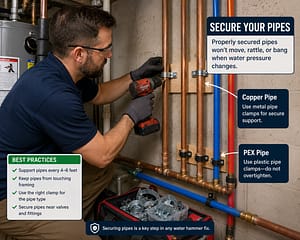
A lot of people blame every banging sound on water hammer when the real issue is movement. Pipes that are not properly strapped can slam against framing when pressure changes. Even a small amount of movement inside a wall can sound much worse than it is.
Check exposed piping in basements, crawl spaces, utility rooms, and behind access panels. If you find lines that move easily by hand, add proper pipe straps or clamps designed for the pipe material. Do not overtighten them, especially on copper or plastic. The goal is to control movement without crushing the pipe.
This step is especially important near washing machines and dishwashers because those solenoid valves close fast and create a strong jolt. If the pipe is already loose, the shock has more room to turn into noise. In many homes, securing a few problem sections cuts the sound dramatically.
Install water hammer arrestors where they matter most
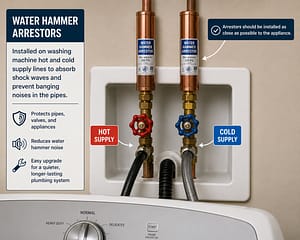
If draining the system and lowering pressure do not solve it, the most reliable water hammer fix steps usually involve installing water hammer arrestors. These are mechanical devices with an air cushion or piston design that absorb the shock wave when a valve closes suddenly.
The best places for arrestors are usually the fixtures with fast-closing valves. Washing machines are a top candidate. Dishwashers, ice makers, and some modern faucets can also benefit. You want the arrestor close to the source of the shock, not somewhere random down the line.
For a washing machine, arrestors often screw onto the hot and cold supply connections. That makes them one of the easier upgrades for a capable DIY homeowner. Under sinks or behind appliances, the installation can get tighter and may involve cutting pipe or changing stop valves. If access is poor or the piping is old, this is where calling a plumber makes sense.
One caution from the field: not every cheap arrestor performs the same over time. A quality part installed in the right location beats a bargain part installed as a guess.
Look at fixture shutoff valves and appliance valves
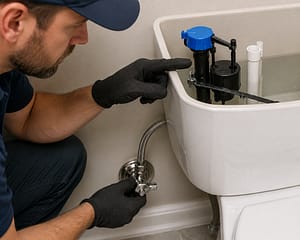
Sometimes the issue is not the whole plumbing system. It is one worn or aggressive valve. A faulty fill valve on a toilet, a failing dishwasher inlet valve, or a washing machine solenoid can create harsh stopping action and strange noises.
If the banging started recently and only happens with one fixture, inspect that fixture first. A toilet that honks, chatters, or bangs during refill may need a new fill valve. A washing machine that suddenly became much louder than before may have a valve issue or a supply hose problem.
This is where diagnosis saves money. Replacing a single worn valve is a lot cheaper than chasing the entire system with unnecessary parts.
Do not ignore old supply hoses and weak connections
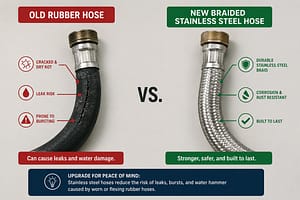
Water hammer does not just make noise. It stresses everything connected to the water line. Rubber washing machine hoses, old compression stops, and aging angle valves are often the first weak points to show it.
If you are already working in that area, inspect hoses for bulging, cracks, rust on fittings, or signs of seepage. Upgrading old rubber washing machine hoses to braided stainless steel is often worth it. It will not stop water hammer by itself, but it gives you a stronger connection in a high-stress spot.
Think of this as part of the repair, not extra credit. A quiet pipe system is good. A quiet pipe system with a weak hose still leaves you exposed.
When DIY stops making sense
Some water hammer problems are simple. Others are buried behind finished walls, tied to high incoming pressure, or made worse by poor pipe layout. If the noise is severe, if pipes are leaking, or if you cannot tell where the shock is coming from, it is time to bring in a professional.
That is especially true in older homes with mixed piping materials, corroded valves, or signs of movement in multiple areas. A plumber can isolate whether the fix is pressure control, re-supporting lines, replacing valves, or adding arrestors at targeted points. Guessing gets expensive fast when walls and ceilings are involved.
A practical rule is this: if you can clearly identify one fixture, access the piping safely, and use a straightforward part like a washing machine arrestor, DIY is reasonable. If the problem is widespread or hidden, professional diagnosis will usually save time and prevent repeat work.
Preventing the next round of banging
Once you fix the current problem, keep an eye on pressure and pay attention to new noises. Water hammer often starts after a new appliance is installed, a valve is replaced, or house pressure changes. A repair that worked five years ago may not be enough after other plumbing changes.
If you manage rental units or a small commercial property, it helps to treat pipe noise as an early warning sign instead of a nuisance. Repeated shock can shorten the life of fixture valves and expose weak connections before they fail visibly. Quiet plumbing is not just about comfort. It is often a sign the system is under control.
At Ainstheplumber, this is how we approach it on real service calls: start simple, confirm the source, fix the cause, and protect the system while you are there. If you work through these water hammer fix steps in order, you will usually find the problem without wasting money on parts you do not need. And if the pipes are still banging after that, you have a much clearer picture of what needs professional attention.
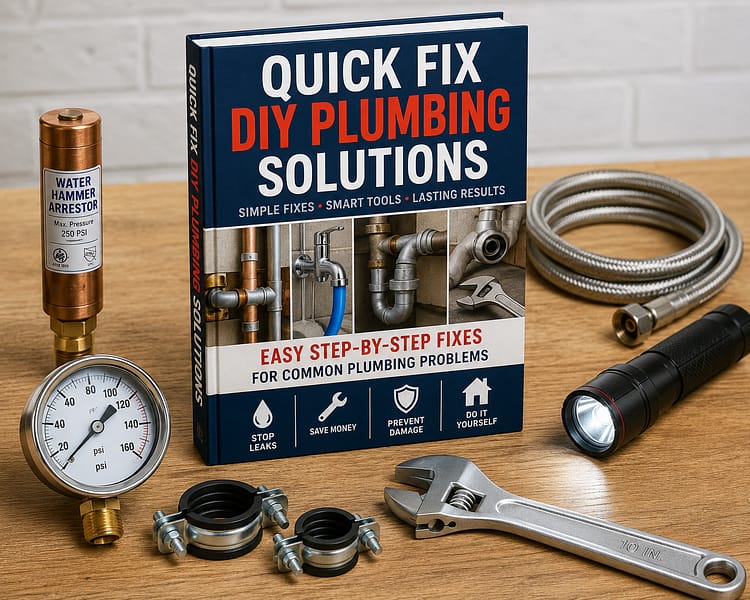
Recommended Tools & Plumbing Guide
As a plumber with over 20 years of experience, I’ve seen how the right tools can make the difference between a quick fix and major damage. I’ve put together a list of trusted plumbing tools and leak detection products that homeowners can use to catch problems early and protect their homes.
👉 Browse my recommended tools and products here
📘 Get my practical plumbing guide:
https://www.amazon.com/dp/B0F9ZZJCJG
— Ainsworth Dickenson
Your Go-To Plumbing Expert