A slow drip under a sink can look harmless right up until the cabinet floor swells, the drywall stains, or the water bill jumps for no obvious reason. Knowing when to call a plumber for a leak is less about panic and more about timing. Some leaks give you a little room to watch and troubleshoot. Others need professional attention right away because the damage starts long before you can see it.
The hard part for most homeowners is that leaks do not all behave the same way. A loose slip nut under a bathroom sink is a very different problem from a hidden supply line leak inside a wall, a slab leak, or a failed water heater valve. The right response depends on where the leak is coming from, how much water is escaping, and whether the leak involves your drain system, your pressurized water lines, or plumbing equipment.

When to call a plumber for a leak immediately

If water is actively spraying, pooling, or soaking building materials, stop reading and act fast. Shut off the nearest fixture valve if you can. If that does not stop the leak, shut off the home’s main water supply and call a plumber. Pressurized leaks can go from manageable to expensive in a matter of minutes.
You should also call right away if the leak is affecting a ceiling, wall, or floor, and you cannot clearly see the source. Hidden leaks are where homeowners lose the most money, not just from wasted water but from damaged framing, insulation, cabinets, flooring, and mold growth. If the water is showing up in one place, the actual pipe failure may be somewhere else.
A leak involving your water heater deserves urgent attention, too. Water around the base of the tank, relief valve discharge, or corrosion at connections can point to anything from a simple fitting issue to a failing tank. Waiting too long can turn a repair call into a replacement emergency.
The same goes for leaks near electrical outlets, panels, appliances, or water-stained ceilings. Water and electricity are not a DIY learning opportunity. Cut power to the affected area if it is safe to do so, stay clear, and get a licensed professional involved.
Leaks you might monitor briefly before calling
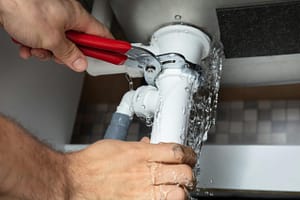
Not every leak is a full emergency. If you notice a very small drip from a faucet spout, a minor seep at a sink drain, or condensation that only appears when cold water is running, you may have time to inspect the issue before scheduling service. The keyword is brief.
For example, a sink drain leak that only occurs while the basin is draining may be caused by a loose connection, a worn gasket, or a cracked trap. You can dry the area, run water again, and confirm exactly where it starts. If the source is obvious and accessible, some homeowners can handle a basic drain tightening or gasket replacement. But if the fitting is cracked, the leak keeps returning, or the piping is old and brittle, calling a plumber usually saves time and prevents a second repair.
A dripping faucet is similar. It may not cause structural damage, but it still wastes water and often worsens. If you are comfortable shutting off the fixture, identifying the cartridge or washer, and making the repair, that can be a reasonable DIY job. If the shutoff valves do not work, the faucet is corroded, or the parts are difficult to identify, it is time to bring in a pro.
Signs the leak is bigger than it looks
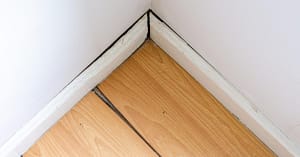
One of the most common mistakes homeowners make is judging the problem by the amount of visible water. A small stain can be caused by a long-term hidden leak. A few drops on the floor can be the only visible sign of a leak in a pipe inside a wall or under a slab.
Pay attention to the clues around the leak, not just the leak itself. A musty smell, peeling paint, bubbling drywall, warped baseboards, soft flooring, or unexplained mildew usually means water has been present for a while. A sudden rise in your water bill can also indicate a leak you have not yet found.
Low water pressure in one fixture may be a local problem. Low pressure throughout the house, especially with signs of leaking, can suggest a larger supply issue. If you hear water running when no fixtures are in use, that is another strong warning sign. At that point, a plumber is not just repairing a drip. They are diagnosing where your plumbing system is losing water.
Fixture leak or pipe leak? It matters
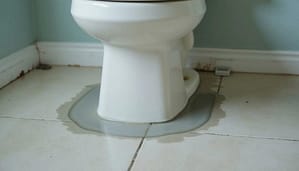
A leak at a fixture connection is often easier to fix than a leak in the piping behind it. If water appears only when you use a faucet, shower, dishwasher, or washing machine, the problem may be at the appliance hose, valve, trap, or visible connection. These are often easier to isolate.
If water appears even when nothing is running, the concern shifts toward a supply line leak. Supply lines stay under pressure, so they can leak around the clock. That is why hidden pipe leaks often cause more damage than drain leaks. Drain leaks usually show up during use. Supply leaks do not wait.
Toilet leaks can go either way. A toilet that leaks at the base when flushed may have a failed wax ring or flange issue. A toilet with constant tank-refill sounds may be wasting water internally due to a faulty flapper or fill valve. Both matter, but one threatens flooring and subflooring while the other drives up the water bill. If a toilet rocks, leaks at the base, or has damaged flooring around it, call a plumber before the floor system gets worse.
When DIY stops making sense

There is nothing wrong with checking for an obvious loose connection or replacing a simple rubber washer if you know what you are doing. The problem starts when homeowners keep guessing while water damage continues in the background.
Call a plumber if you have already tightened a connection and it still leaks, if you cannot identify the source within a few minutes, or if accessing the leak requires opening a wall, cutting a pipe, or shutting down multiple fixtures. That is especially true in older homes where disturbing one weak part can expose another.
Material matters too. Newer braided supply lines and standard sink traps are one thing. Older galvanized steel, copper inside tight wall spaces, CPVC with brittle fittings, and aging shutoff valves are another. A repair that looks simple on the surface can quickly become a larger job if the plumbing is old or poorly installed.
Leak locations that usually need a professional
Some areas deserve a lower tolerance for delay. Ceiling leaks are high on that list because the water may be traveling from another room, another floor, or another line entirely. By the time a ceiling shows damage, the leak may have been active for some time.
Leaks behind tile walls, inside shower enclosures, under slabs, and around water heaters are also worth professional diagnosis. So are recurring leaks under sinks where multiple repairs have already been attempted. Repeated patchwork usually means the root cause has not been addressed.
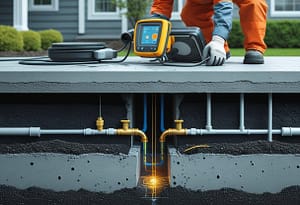
Outdoor leaks deserve more respect than they get. A wet patch in the yard, soggy soil near the water line route, or unexplained low pressure can signal an underground leak. That can waste a surprising amount of water before it becomes obvious.
For property managers and small commercial owners, the threshold should be even lower. One slow leak in a tenant space, office restroom, or occupied unit can become a repair, a flooring claim, and a disruption issue all at once. Fast diagnosis protects both the property and the people using it.
What to do before the plumber arrives
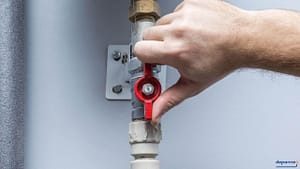
If you need to call, help the repair move faster. Shut off the local fixture valve or main water supply if needed. Remove stored items, towels, cleaners, or supplies from the area. Dry what you can safely dry and take a few photos of the leak and any damage. If the leak is intermittent, note when it happens – during flushing, while the shower runs, after the washing machine drains, or all the time.
That kind of detail helps a plumber narrow the cause much faster. At Ainstheplumber, this is the same approach we teach homeowners all the time: slow down, isolate the symptoms, and do not confuse a temporary stop with a finished repair.
The real question is not can you wait – it is what waiting will cost
Many leak decisions come down to one honest question: if this gets worse overnight, what is exposed? If the answer is drywall, cabinets, flooring, wiring, a downstairs ceiling, or a tenant’s space, that is your sign to act now. If it is a minor fixture drip you can fully see, contain, and understand, you may have a short window to plan the repair.
Good homeowners do not call a plumber because they failed. They call because they know the difference between a manageable fix and a leak that is quietly getting more expensive. When you catch that difference early, you usually save money, damage, and stress all at once.
As a plumber with over 20 years of experience, I’ve seen how the right tools can make the difference between a quick fix and major damage. I’ve put together a list of trusted plumbing tools and leak detection products that homeowners can use to catch problems early and protect their homes.
👉 Browse my recommended tools here at Amazon
— Ainsworth Dickenson
Your Go-To Plumbing Expert