Your water bill jumps, a wall starts smelling musty, or you hear a faint hiss when the house is quiet. That is usually when people start asking how to find a hidden water leak. The tricky part is that hidden leaks do not always leave obvious puddles. Many stay behind walls, under slabs, above ceilings, or in irrigation lines long enough to cause real damage before you see the source.
The good news is that you can narrow it down without tearing your house apart. The goal is not to guess. The goal is to confirm whether you actually have a leak, then work through the most likely places in a logical order.

Start by confirming that water is leaking
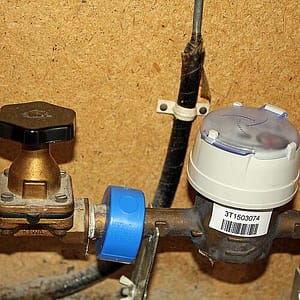
Before you inspect walls and floors, make sure the problem is an active plumbing leak and not just higher water use. One of the best first checks is your water meter.
Turn off all faucets, washing machines, dishwashers, ice makers, and anything else that uses water. If possible, shut off water to appliances with automatic fill cycles. Then go outside and look at your meter. Many meters have a small leak indicator dial or triangle that moves even when very little water is passing through.
If that indicator is moving while everything is off, water is going somewhere. If you want a cleaner test, write down the meter reading, avoid using water for 30 minutes to an hour, and check it again. If the reading changes, you likely have a hidden leak.
This test matters because it separates a real plumbing issue from normal seasonal changes, guests in the house, or irrigation use you forgot about.
The most common signs of a hidden leak
Once the meter suggests a leak, let the house tell you where to look. Hidden water usually leaves clues before it causes visible damage.
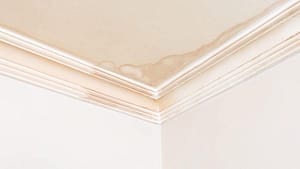
Watch for warm spots on the floor, warped baseboards, bubbling paint, stained ceilings, soft drywall, peeling flooring, mildew smell, or mold appearing in one area repeatedly. You may also hear running water, a faint drip, or a steady hiss when no fixture is on.
Some leaks show up as pressure problems. If a shower suddenly feels weaker or a toilet starts acting differently, that can point to water escaping somewhere else in the system. In slab homes, unexplained damp flooring or cracks with moisture nearby can be a warning sign too.
It depends on the type of plumbing in the house. A leaking drain line may create odor and staining without affecting the meter much. A leaking pressurized supply line usually shows up on the meter test and can waste a surprising amount of water fast.
How to find a hidden water leak by isolating the area
A smart leak search gets easier when you divide the house into zones. You are trying to answer one question at a time: is the leak inside, outside, above, below, or at a specific fixture?
Start indoors. Shut off the house main valve, then check the meter again. If the meter stops moving, the leak is likely somewhere inside the home plumbing system. If it keeps moving, you may be dealing with a main water line leak between the meter and the house, or possibly an irrigation line if it branches before the house shutoff.
If your home has separate shutoff valves for fixtures or branches, use them. Turn off water to toilets, water heater, washing machine, or a particular bathroom one at a time and watch for meter movement to stop. This can save a lot of time.
In apartments, condos, or commercial units, isolation can be harder because valves are sometimes shared or poorly labeled. In that case, the pattern of symptoms matters more. Ceiling stains under an upstairs bathroom, for example, often point to a tub drain, shower pan, or toilet seal rather than a slab leak.

Check toilets first because they fool a lot of people
A toilet leak is one of the most common sources of hidden water loss. It often makes no puddle at all because the water leaks directly into the bowl.
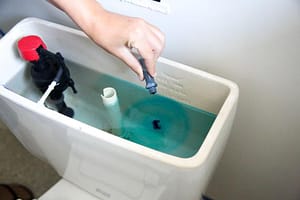
Remove the tank lid and listen. If the fill valve cycles on by itself or you hear a faint trickle, test with a few drops of food coloring in the tank. Wait 10 to 15 minutes without flushing. If color appears in the bowl, the flapper or flush valve is leaking.
Also check around the toilet base. If the floor feels soft or you notice staining downstairs, the wax ring may be failing. That does not always show on the water meter because it may involve waste water, not fresh supply water, but it still needs attention.
Look under sinks, behind appliances, and at the water heater
These are the hidden leaks that homeowners can often find without special equipment. Open vanity cabinets and kitchen sink cabinets. Run your hand along supply valves, traps, and drain connections. Feel for moisture, corrosion, swollen cabinet bottoms, or drip marks.
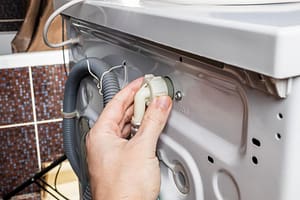
Pull the dishwasher and refrigerator out if you can do so safely. Ice maker lines, dishwasher supply hoses, and drain connections are common failure points. Washing machine hoses deserve close attention too, especially rubber hoses older than a few years.
At the water heater, inspect the cold inlet, hot outlet, drain valve, pressure relief line, and the pan if there is one. Even a slow drip here can travel and make it look like the leak is coming from somewhere else.
Walls and ceilings need a careful approach
If you suspect a leak in a wall or ceiling, avoid the urge to cut a large hole right away. Start with non-destructive clues.
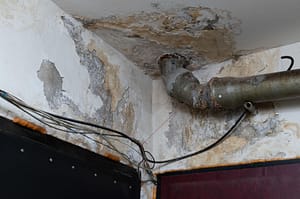
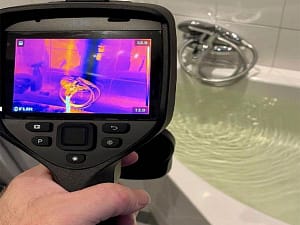
Touch the area. Is it cool, soft, or swollen? Look for nail pops, blistered paint, or a yellow-brown stain that keeps growing. If the leak is active, a moisture meter or infrared camera can help, but even without tools you can often narrow the source by checking what plumbing fixtures sit on the other side of that wall or directly above that ceiling.
A stain below a bathroom does not always mean the supply line is leaking. It could be a shower door leak, failed caulking, cracked grout, overflowing toilet, or tub splash-out. This is where trade experience matters. The water mark tells you where water finished, not where it started.
Don’t forget the slab, yard, and irrigation system
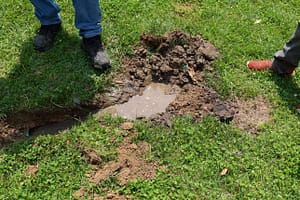
If the house meter shows movement but indoor checks come up clean, expand the search outside. Walk the yard and look for soggy patches, unusually green grass, soil erosion, or areas that stay wet when the weather has been dry.
For homes on concrete slabs, warm spots can point to a hot water line leak under the floor. You may also hear water running with no clear indoor source. Slab leaks are one area where DIY detection can only go so far. You can gather clues, but precise location often requires professional equipment.
Irrigation systems can also hide major leaks. Shut off the irrigation supply if possible and repeat the meter test. If the meter stops moving, you have narrowed the problem considerably.
When to use tools and when to call a pro
Some hidden leaks are easy to confirm and repair. A running toilet, loose shutoff valve, or leaking washing machine hose is within reach for many homeowners. But once the leak is behind tile, under concrete, inside a wall cavity, or affecting multiple areas, guessing gets expensive.
Professional leak detection can involve acoustic listening devices, pressure testing, thermal imaging, tracer methods, and targeted moisture mapping. The value is not just finding the leak. It is finding it with the least damage to the property.
Call a plumber sooner rather than later if you see ceiling sagging, active water near electrical fixtures, signs of mold spreading, sharp increases in your bill, or meter movement you cannot isolate. If you are in Sint Maarten, Ainstheplumber handles both leak detection and repairs, which is often the fastest route when time and water damage are working against you.
A few mistakes to avoid while searching
People often assume the wettest spot is the leak source. Water rarely behaves that neatly. It follows framing, pipe runs, tile backer, and low points before it shows itself.
Another mistake is focusing only on fresh water lines. Drain leaks, shower leaks, roof leaks, and condensation problems can mimic plumbing failures. If the meter test is negative but you still have stains or odor, keep an open mind.
And do not leave a suspected leak for “one more week” if the evidence is getting stronger. Small leaks create big repairs because they damage flooring, drywall, cabinets, and framing long before the pipe itself becomes the expensive part.
If you want to know how to find a hidden water leak, the best approach is steady and methodical. Confirm it at the meter, isolate the area, follow the clues, and stop before random demolition turns a plumbing problem into a remodeling project. A careful search now usually saves money, time, and a lot of frustration later.
As a plumber with over 20 years of experience, I’ve seen how the right tools can make the difference between a quick fix and major damage. I’ve put together a list of trusted plumbing tools and leak detection products that homeowners can use to catch problems early and protect their homes.
👉 Browse my recommended tools here
— Ainsworth Dickenson
Your Go-To Plumbing Expert