Disclosure: As an Amazon Associate, I may earn from qualifying purchases.
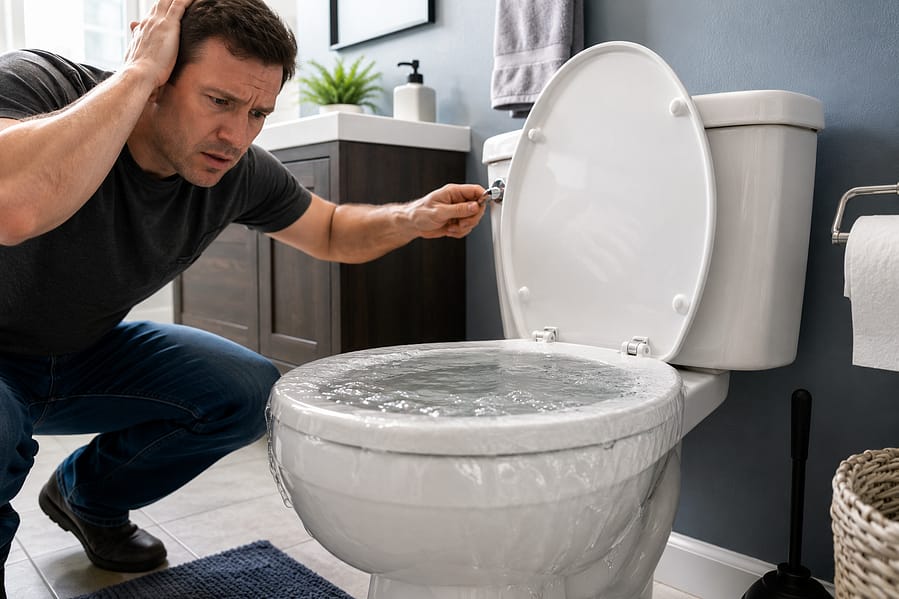
A toilet that seems to flush, then backs up or clogs right after, is one of those problems homeowners tend to hope will go away on its own. It usually does not. If you are dealing with toilet clogs after flushing, the good news is that the pattern tells you a lot. In most cases, the issue is not random. It is tied to the way water, waste, and air are moving through the toilet and drain line.
The trick is figuring out whether the problem is inside the toilet, just beyond the toilet trap, or farther down the drain system. Once you know that, you can stop guessing and take the right next step.
Why toilet clogs after flushing happen
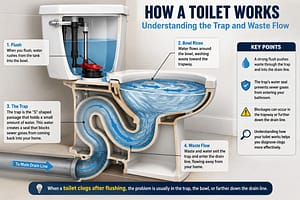
A toilet works by pushing waste through its built-in trap and into the drain line using a quick rush of water from the tank. If that rush is too weak, if the passage is narrowed, or if the drain line cannot carry waste away fast enough, the bowl will clog or nearly clog after the flush starts.
That means the cause usually falls into one of three categories. First, there is a blockage in the toilet itself. Second, there is a partial blockage in the branch drain or main line. Third, the toilet is not flushing with enough force because of low water level, blocked rim jets, or a failing flush mechanism.
Sometimes a venting problem joins the list too. A poorly vented line can slow drainage and create weak, uneven toilet performance. It is less common than a basic clog, but it does happen, especially in older homes or after improper remodeling work.
Start with what the toilet is telling you
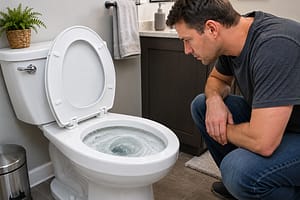
Before you grab a tool, watch the flush closely. That tells you more than most people realize.
If the bowl fills high and drains slowly, you are likely dealing with a blockage. If the flush is weak and lazy from the start, the issue may be poor water delivery from the tank. If the toilet bubbles, gurgles, or reacts when another fixture drains, that points more toward a vent or drain line problem. If more than one toilet or drain is acting up, stop focusing on that one bathroom alone. The issue may be farther down the system.
This matters because plunging a toilet with a weak flush mechanism will not solve much, and replacing tank parts will not clear a drain line clog.
The most common cause: a partial blockage
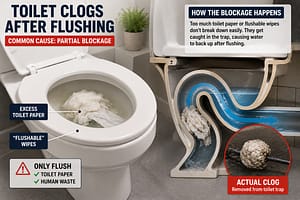
Most toilet clogs after flushing come from partial blockages, not total ones. That is why the toilet may flush sometimes, clog other times, or seem to clear and then fail again later.
A partial blockage can be caused by too much toilet paper, so-called flushable wipes, feminine products, paper towels, or a foreign object dropped into the bowl. Kids’ toys, air freshener clips, and small hygiene items are common culprits on real service calls. In rental units and commercial restrooms, excessive paper use is especially common.
When a clog is partial, water still passes through, just not fast enough. The bowl empties too slowly, solids do not move well, and the next flush makes the problem obvious.
What to try first
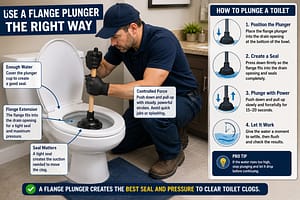
Start with a flange plunger, not a flat sink plunger. The flange style seals better inside a toilet drain opening and creates the pressure you need.
Use enough water in the bowl to cover the plunger head. Make a firm seal and plunge with controlled force for 15 to 20 seconds. You are trying to move the clog, not splash dirty water around the bathroom. Flush once and watch the result. If it improves but is not fully fixed, repeat.
If plunging does not clear it, the next step is a toilet auger. This tool is designed for toilets and helps you reach blockages in or just beyond the trap without damaging the porcelain. Feed the auger in slowly, crank it through resistance, then pull it back and test flush.
If you use a standard drain snake instead of a toilet auger, be careful. The wrong cable can scratch the bowl badly.
When the problem is the toilet, not the drain
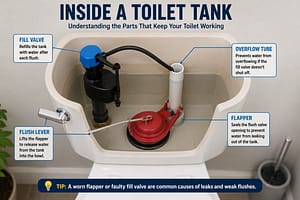
Not every repeat clog is caused by something stuck in the line. Some toilets simply do not flush with enough force.
Older low-flow toilets, bargain-grade models, and worn-out internal parts can all produce a weak flush. If the tank water level is set too low, the bowl may not get the volume it needs. If the rim jets are clogged with mineral buildup, water enters the bowl too slowly or unevenly. If the flapper closes too soon, the toilet cuts off its own flush.
Check these flush performance issues
Take the tank lid off and look at the water level. It should usually sit near the marked fill line. If it is too low, adjust the fill valve.
Then check the flapper. Flush the toilet and watch whether it lifts fully and stays open long enough for a strong release of water. A worn flapper, too much slack, or too little slack in the chain can weaken the flush.
Next, inspect the rim holes under the bowl edge. If you see mineral scale, the jets may be restricted. That reduces flush power. In areas with hard water, this is common. Cleaning those openings can restore performance, although it takes patience.
There is also a siphon jet at the bottom of the bowl in many toilets. If that opening is partially blocked, the toilet may swirl without generating enough pull to move waste through the trap effectively.
If the toilet has always struggled, even when new, it may simply be a poor-performing model. At that point, repeated repairs may cost more in frustration than replacing it with a stronger flushing unit.
Signs the clog is farther down the line
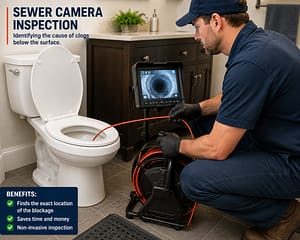
If the toilet auger does not solve the issue, pay attention to the rest of the plumbing system.
A drain line clog beyond the toilet often shows up as repeated backups, slow draining tubs or sinks nearby, gurgling sounds, or water rising in one fixture when another fixture is used. For example, if you flush the toilet and the shower drain burps or fills, that is a strong clue the branch line is partially blocked.
If multiple bathrooms are affected, or if a first-floor toilet backs up when an upstairs fixture drains, you may be dealing with a main line restriction. That is no longer a basic toilet clog. It is a building drain problem.
At that stage, continued flushing can make a mess fast. The safer move is to stop using the affected fixtures until the line is checked.
Could it be a plumbing vent issue?
Yes, but treat this as a second-level possibility, not the first guess.
Drainage systems need air to flow properly. A blocked or poorly designed vent can cause slow toilet draining, gurgling, and unstable bowl water levels. Leaves, nests, and debris can block roof vents. In some cases, renovations create venting problems because fixtures were added or moved without proper planning.
Still, vent problems are less common than plain blockages. If the toilet clogs after flushing and a plunger or auger clears it, the issue was probably not the vent. If the problem keeps returning and other symptoms show up, venting becomes more likely.
Diagnosing vent issues often takes more experience because the symptoms can overlap with drain line clogs. This is one of those areas where guessing can waste time.
What not to do
Chemical drain cleaners are a bad choice for toilets. They rarely solve a real toilet clog, and they can splash back, damage components, or create a hazard for whoever has to work on the toilet afterward.
Do not keep flushing a toilet that is already rising high in the bowl. One extra test flush can turn a manageable problem into floor damage and cleanup.
Also, do not assume repeated clogs are normal just because you have an older toilet. Toilets can age, but recurring backups usually point to a fixable cause.
When to call a plumber
Call for professional help if the toilet auger does not clear the issue, if multiple fixtures are involved, if sewage is backing up into tubs or floor drains, or if the clog keeps returning every few days or weeks.
A plumber can determine whether the issue is a trapped object, a branch line blockage, poor venting, or a larger sewer line problem. In many cases, the time and mess saved are worth it, especially if you manage a rental, a small commercial space, or a busy household with one main bathroom.
At Ainstheplumber, this is exactly the kind of problem we tell homeowners not to ignore. A toilet that clogs after flushing is usually giving you an early warning before the problem gets more disruptive and more expensive.
How to prevent toilet clogs after flushing
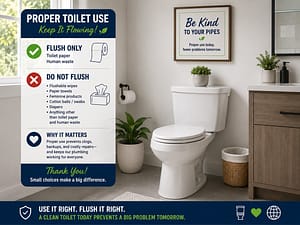
The best prevention is simple, but it has to be consistent. Flush only toilet paper and human waste. Keep wipes, paper towels, hygiene items, and cotton products out of the bowl, even if the packaging says otherwise. If you have small children, pay attention to what can fall in or be dropped in by curiosity.
It also helps to pay attention to changes in flush performance. A toilet that starts flushing more slowly, needs a second flush, or gurgles once in a while is easier to fix early than after a full backup.
For property managers and owners of older homes, periodic drain maintenance can make sense if there is a history of line issues. That is especially true where root intrusion, scale buildup, or heavy use is part of the picture.
If your toilet is clogging after flushing, do not just fight the symptom. Find out whether the issue is a weak flush, a partial blockage, or a drain system problem. Once you know which one you are dealing with, the fix gets a lot more straightforward.
Frequently Asked Questions About Toilet Clogs After Flushing
Even after understanding the common causes and solutions, homeowners often have additional questions about recurring toilet problems. Here are answers to some of the most frequently asked questions about toilet clogs after flushing.
Why does my toilet clog after every flush?
A toilet that clogs after every flush usually has a partial blockage, weak flushing performance, or a drain line restriction that prevents waste from moving away properly.
Can a vent pipe cause a toilet to clog?
Yes. A blocked vent pipe can slow drainage and cause gurgling or poor flushing performance, although vent problems are less common than simple clogs.
Will a plunger fix a toilet that keeps clogging?
A flange plunger can often clear minor blockages. If the clog returns frequently, a toilet auger or professional inspection may be necessary.
When should I call a plumber for a clogged toilet?
Call a plumber if multiple fixtures are backing up, sewage is appearing in tubs or floor drains, or the toilet continues clogging despite plunging and augering.
Recommended Tools & Plumbing Guide
As a plumber with over 20 years of experience, I’ve seen how the right tools can make the difference between a quick fix and major damage. I’ve put together a list of trusted plumbing tools and leak detection products that homeowners can use to catch problems early and protect their homes.
👉 Browse my recommended tools and products here
📘 Get my practical plumbing guide
— Ainsworth Dickenson
Your Go-To Plumbing Expert