Disclosure: As an Amazon Associate, I may earn from qualifying purchases.
Protect Your Home Plumbing Before the Storm Arrives
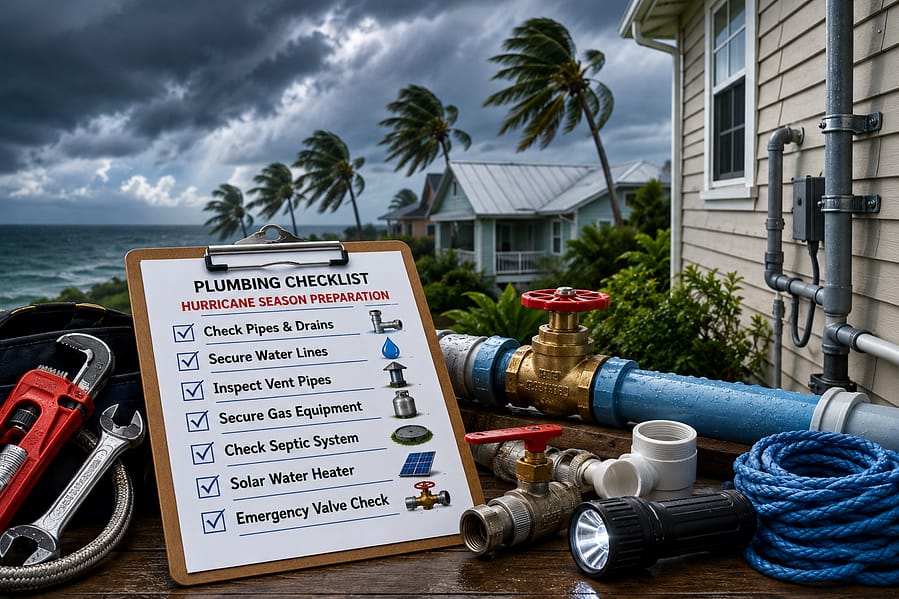
This June Plumbing Checklist will help homeowners prepare their plumbing systems for hurricane season by protecting pipes, drains, water lines, gas equipment, and solar water heaters ahead of severe weather.
The June 2026 Plumbing Checklist will help homeowners reduce the risk of plumbing damage, costly water leaks, sewage backups, and emergency repairs during hurricane season.
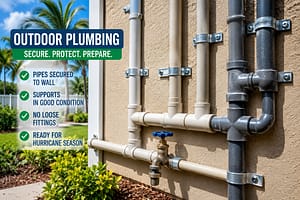
1. Inspect Outdoor Plumbing Pipes
Outdoor plumbing systems are often exposed to harsh weather conditions during hurricanes and tropical storms.
What To Check:
✔ Inspect exposed water lines for damage or weak pipe supports.
✔ Ensure underground drainpipes are properly covered with soil.
✔ Check outside pipe brackets and fasteners for looseness or rust.
✔ Replace damaged or cracked pipe straps immediately.
✔ Secure all plumbing pipes firmly against exterior walls.
Why It Matters:
Loose or exposed pipes can break during high winds or become damaged by flying debris, leading to water leaks and expensive repairs.
2. Check Drainage and Sewer Cleanout Points
Drainage systems are extremely important during hurricane season because heavy rainfall can overwhelm weak or blocked drain lines.
Checklist:
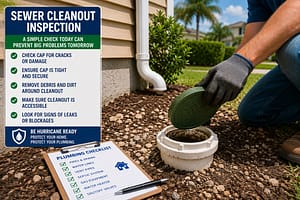
✔ Inspect all sewer cleanout caps for cracks or missing covers.
✔ Make sure drain cleanouts are easy to access during emergencies.
✔ Remove dirt, leaves, and debris around drainage areas.
✔ Check for slow drainage that may indicate a blockage.
Hurricane Tip:
A damaged cleanout cap can allow floodwater, dirt, or debris into the drainage system.
3. Secure Plumbing Vent Pipes
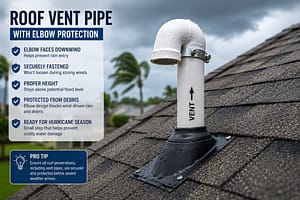
Strong hurricane winds can force leaves and debris into roof-mounted plumbing vent pipes.
What To Do:
✔ Inspect vent pipes for stability and proper support.
✔ Trim tree branches hanging near the roof vent pipes.
✔ Install two elbows on exposed vent pipes if needed to reduce debris entry.
✔ Check for cracked or loose vent flashing around the roof area.
Why This Helps:
Blocked vent pipes can lead to slow drains, bad odors, and poor plumbing performance after a storm.
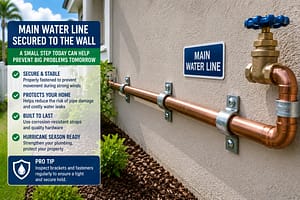
4. Protect Water Pressure Lines
Water pressure lines are vulnerable during storms, especially when exposed outdoors.
Checklist:
✔ Cover exposed water lines where possible.
✔ Fasten outside water lines securely to walls or structures.
✔ Inspect for pipe corrosion, cracks, or weak fittings.
✔ Know where your main water shutoff valve is located.
Important:
Broken water lines during hurricane season can lead to major water loss and unusually high water bills.
5. Prepare Your Septic and Sewage System
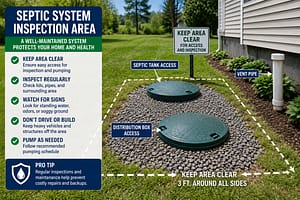
Flooding can damage septic systems and create dangerous sanitation issues.
Homeowner Checklist:
✔ Inspect septic covers and surrounding areas.
✔ Ensure sewage systems are protected from surface flooding.
✔ Avoid flushing unnecessary waste during severe storms.
✔ Watch for signs of slow drains or sewage odors.
Safety Reminder:
Flooded septic systems can become a health hazard and may require professional inspection after the storm.
6. Secure Outdoor Gas Equipment
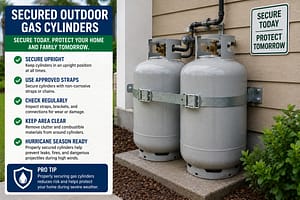
Outdoor gas bottles and gas lines should always be checked before hurricane season begins.
Checklist:
✔ Secure gas bottles firmly to a wall or stable structure.
✔ Use strong metal straps or approved fastening materials.
✔ Inspect gas lines for wear, rust, or damage.
✔ Keep outdoor gas equipment away from loose debris.
Safety Tip:
Unsecured gas bottles can become extremely dangerous during hurricane-force winds.
7. Inspect Solar Water Heaters
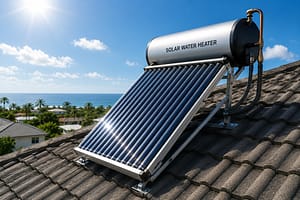
Solar water heaters installed on roofs should be carefully checked before storms develop.
What To Inspect:
✔ Ensure the solar tank is tightly fastened to the roof structure.
✔ Inspect solar panels and support brackets.
✔ Check hot and cold water lines connected to the system.
✔ Look for loose mounting bolts or corrosion.
Why It Matters:
Strong winds can loosen poorly secured solar equipment and cause damage to roofs or plumbing.
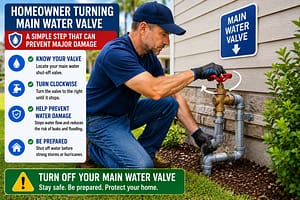
8. Test Emergency Shutoff Valves
Every homeowner should know how to quickly shut off the water supply during an emergency.
Quick Checklist:
✔ Locate the main water shutoff valve.
✔ Test the valve to ensure it turns properly.
✔ Check individual shutoff valves under sinks and toilets.
✔ Replace frozen or leaking shutoff valves.
Emergency Preparation:
Turning off the water quickly can prevent severe flooding if pipes burst during a hurricane.
9. Prepare an Emergency Plumbing Kit
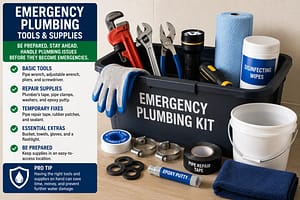
Having basic plumbing tools ready can save time during emergencies.
Suggested Emergency Supplies:
✔ Adjustable wrench
✔ Flashlight and batteries
✔ Pipe tape (Teflon tape)
✔ Pipe repair clamps
✔ Bucket and towels
✔ Shutoff valve key
✔ Emergency plumber contact information
Final Thoughts
Hurricane season is not the time to wait until plumbing problems appear. A simple inspection today can help prevent water damage, sewage problems, and expensive emergency repairs later.
Taking preventive steps now helps protect your home, plumbing system, and family during severe weather conditions.
If you discover plumbing issues you cannot safely repair, contact a professional plumber before hurricane conditions worsen.
Recommended Tools & Plumbing Guide
As a plumber with over 20 years of experience, I’ve seen how the right tools can make the difference between a quick fix and major damage. I’ve put together a list of trusted plumbing tools and leak detection products that homeowners can use to catch problems early and protect their homes.
Recommended Hurricane preparedness items
👉 Browse my recommended tools and products here
📘 Get my practical plumbing guide:
https://www.amazon.com/dp/B0F9ZZJCJG
— Ainsworth Dickenson
Your Go-To Plumbing Expert