
Disclosure: As an Amazon Associate, I may earn from qualifying purchases.
A frozen pipe usually does not start with a dramatic burst. It starts with a cold snap, a weak trickle at the faucet, and a section of plumbing hidden behind a wall or under a house getting colder by the hour. If you want to know how to prevent frozen pipes, the best time to act is before temperatures drop hard enough to turn a small oversight into a major repair.
Frozen pipes are not just a winter problem for homes in snowy states. They can happen anywhere a pipe runs through an unheated attic, crawl space, garage, exterior wall, or poorly insulated utility room. I have seen expensive damage caused by a single vulnerable section of pipe that no one had considered until the water stopped flowing.
Why pipes freeze in the first place
Pipes freeze when the water inside them loses heat faster than the surrounding area can protect it. The risk increases when a pipe is exposed to cold air, has little insulation, or sits in a space that does not receive enough warm airflow from the home.
The real problem is not the ice itself. As water freezes, it expands. That expansion can create pressure inside the pipe, and pressure is what splits copper, PEX fittings, plastic lines, and older galvanized sections. Sometimes the crack happens right where the ice forms. Other times it happens between a closed faucet and the frozen blockage.
That is why prevention matters more than cleanup. A pipe can thaw quietly, but the damage shows up when water pressure returns and starts spraying inside a wall, cabinet, or ceiling.
How to prevent frozen pipes before cold weather hits
The most reliable way to prevent frozen pipes is to find vulnerable plumbing and protect it before the first serious freeze. This is where a little prep saves a lot of money.
Start by identifying where your plumbing is most exposed. Check crawl spaces, attics, garages, basements, exterior hose bibs, and any sink cabinet on an outside wall. If you manage a rental or a small commercial space, do not assume all units are equally protected. One corner office, one vacant apartment, or one back utility room can be the weak spot.
Insulate exposed pipes
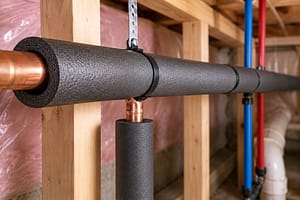
Pipe insulation is one of the simplest upgrades you can make. Foam sleeves work well for many residential lines and are easy to install. Wrap exposed hot- and cold-water pipes in unheated spaces, especially those near exterior walls.
Insulation does not heat the pipe. It slows heat loss. That means it works best when the pipe starts off warmer than the surrounding air. In mild-to-moderate freezes, this can be enough. In severe cold, insulation alone may not protect a line that is already in a very cold space.
Seal air leaks near plumbing
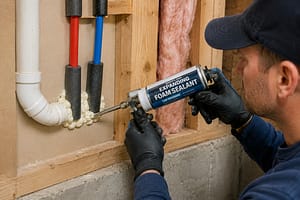
Cold air moving across a pipe can freeze it faster than still air. Look for gaps around pipe penetrations, vents, sill plates, crawl space access doors, and openings where wiring or plumbing enters the house. Sealing these drafts with the right materials can make a noticeable difference.
This step often gets missed because people focus only on the pipe. In real homes, the air around the pipe is often the bigger issue.
Disconnect and drain outdoor hoses
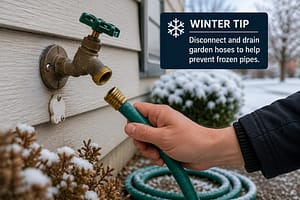
Leaving a garden hose attached in freezing weather can trap water in the hose bib and connected pipe. Disconnect hoses, drain them, and store them before temperatures fall.
If you have a shutoff valve for the exterior faucet inside the home, close it and drain the line. Frost-free hose bibs help, but they are not magic. If they are installed incorrectly or the line feeding them is exposed to cold, they can still freeze.
What to do during a freeze warning
Once freezing weather is on the way, your goal shifts from long-term prep to keeping water moving and heat circulating where it matters.
Let warm air reach vulnerable pipes
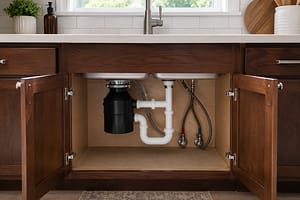
Open cabinet doors under sinks on exterior walls to allow warmer indoor air to circulate around the plumbing. This is especially helpful in kitchens and bathrooms where supply lines are tucked against cold wall cavities.
Be careful if you have small children or pets and store chemicals under the sink. Safety still comes first.
Keep the heat on
One of the biggest mistakes people make is setting the thermostat too low when they leave town. If the house has plumbing, it needs consistent heat. Keep indoor temperatures high enough to protect the building, even if no one is home.
There is no perfect number for every house, because insulation levels, pipe routing, and weather conditions all vary. But cutting the heat too aggressively to save money can lead to a burst pipe that costs far more than a few days of utility bills.
Let faucets drip when needed
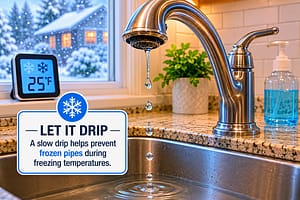
If you are dealing with unusually cold weather or know a specific section of pipe has frozen before, let a faucet served by that line drip slowly. Moving water is less likely to freeze than standing water.
A steady drip is usually enough. You do not need a full stream. Focus on the fixtures connected to the most vulnerable lines, such as sinks on exterior walls or plumbing in additions, garages, and crawl space sections.
This is not the best everyday solution, and it does waste some water. But during a short freeze, it can be a practical, temporary measure.
High-risk areas homeowners forget
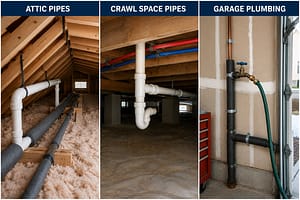
The pipe that freezes is often not the one you can see easily. It is usually the one hidden in a space that does not feel like part of the heated house.
Garages are a common problem area, especially when water lines run through walls that share a wall with the living space. Attics are another major risk if pipes were routed overhead during a remodel. Crawl spaces can be trouble if vents are open, insulation is falling down, or wind moves through the area freely.
Vacant properties need extra attention. A home that sits empty during winter loses the daily heat and water use that help keep plumbing stable. The same goes for rental units between tenants or commercial spaces closed for several days.
If you own an older home, pay special attention to pipes in exterior walls. Construction methods from past decades did not always prioritize freeze protection the way newer builds try to.
Heat tape and other extra protection
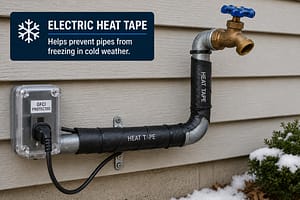
For pipes that are hard to insulate, electric heat tape or heating cable can help. This product warms the pipe directly and can be effective in crawl spaces, pump rooms, or other cold zones.
That said, installation matters. The wrong product, poor placement, or a damaged cable can create a safety issue or cause it to fail when you need it most. Always follow the manufacturer’s instructions exactly. If the line is in a tough location or the setup is not straightforward, this is a good place to bring in a professional.
Portable space heaters can also help in some situations, but they need to be used carefully. They should never be left unattended in unsafe conditions, and they are not a substitute for correcting the real freeze risk around the plumbing.
Signs a pipe may already be freezing
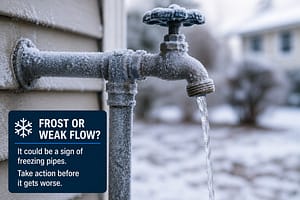
If you turn on a faucet and only a trickle comes out, treat it as a warning. A line may be partially frozen. Other clues include frost on exposed piping, unusual smells from drains caused by blocked venting, or no water from one fixture while the rest of the house still has pressure.
At that point, do not wait for it to fix itself. Keep the faucet open and gently warm the affected area using safe methods, such as raising the home temperature or using warm air from a hair dryer on an exposed section of pipe. Never use an open flame.
If the frozen section is hidden behind a wall, if you cannot identify the location, or if you suspect the pipe has already cracked, shut off the water and call a plumber.
When prevention becomes a professional job
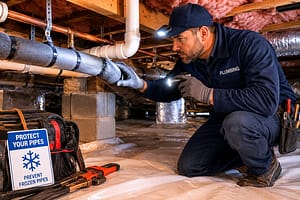
Some freeze risks are easy to handle with insulation and basic prep. Others point to a larger problem with how the plumbing was installed. Pipes routed through unconditioned spaces, recurring freeze-ups in the same location, or lines with poor access often need more than a seasonal fix.
That can mean rerouting pipes, improving insulation in the building envelope, sealing major air leaks, or adding freeze protection in a safe, reliable way. This is where experienced field advice matters. A good plumber will not just thaw the line. They will look at why that section keeps becoming a problem.
At Ainstheplumber, that is the difference between a quick patch and a long-term solution. Homeowners need both practical steps they can handle today and honest guidance when the setup itself needs to change.
If you take one thing from this, let it be this: frozen pipes are usually preventable, but prevention works best when you treat your plumbing like part of the structure, not an afterthought hidden behind it. A little attention before the cold arrives can spare you the kind of water damage that sticks around long after winter is gone.
Recommended Tools & Plumbing Guide
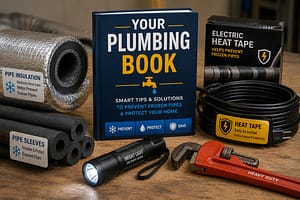
As a plumber with over 20 years of experience, I’ve seen how the right tools can make the difference between a quick fix and major damage. I’ve put together a list of trusted plumbing tools and leak detection products that homeowners can use to catch problems early and protect their homes.
👉 Browse my recommended tools and products here
📘 Get my practical plumbing guide:
https://www.amazon.com/dp/B0F9ZZJCJG
— Ainsworth Dickenson
Your Go-To Plumbing Expert