Disclosure: As an Amazon Associate, I may earn from qualifying purchases.
That slow kitchen sink is giving you a warning, not just an annoyance. When water starts pooling, gurgling, or draining one side of the house slower than usual, choosing the best drain cleaning methods early can save you from backups, odors, and expensive pipe damage.
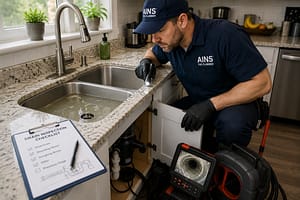
Some clogs are simple. Others are symptoms of grease buildup, hair mats, soap scum, or a problem deeper in the line. After years of hands-on plumbing work, I can tell you this: the right method depends on the type of drain, the material of the pipe, and how severe the blockage is. What works beautifully in a bathroom sink can make a kitchen line worse.
The best drain cleaning methods start with the cause
Before you reach for a tool or cleaner, think about what probably went down the drain. Bathroom sinks usually clog with hair, toothpaste residue, and soap. Tubs and showers are mostly hair and soap scum. Kitchen drains are different – grease, food scraps, coffee grounds, and starchy residue create thicker, stickier blockages.
That matters because drain cleaning is not one-size-fits-all. Hot water might loosen fresh grease, but it will not pull a hair knot out of a tub trap. A hand snake can clear a bathroom line well, but if your main drain is backing up, that same tool will not reach far enough to solve the real problem.
1. Hot water and dish soap for light grease buildup
This is one of the safest starting points for a kitchen sink that is draining slowly but not fully blocked. Dish soap helps break up greasy residue, and hot water can move softened buildup farther down the line.
Use a generous amount of grease-cutting dish soap, then follow with very hot water. If you have metal drain lines, near-boiling water can help. If you have PVC, stay with hot tap water or water that is hot but not aggressively boiling. Very high heat can stress or soften some plastic fittings over time.
This method works best for early-stage grease buildup. It is not a fix for a solid blockage, and it will not do much against food debris packed into a trap. Think of it as a first response, not a miracle cure.
2. A plunger when the clog is close and soft
A sink or tub plunger is still one of the most effective tools in plumbing when used correctly. The key is sealing the opening and using controlled pressure, not wild force. On a bathroom sink, block the overflow opening first. On a double kitchen sink, seal the opposite side so pressure goes into the clog instead of escaping.
Plunging works well on soft blockages sitting near the drain opening or trap. It can shift sludge, soap residue, and partial obstructions quickly. It is less effective on dense grease clogs or long hair tangles wrapped deeper in the line.
If the drain starts moving and then slows again, that usually means you opened a small path through the clog but did not remove it fully. At that point, move to a method that physically extracts or breaks apart the debris.
3. Hand removal for hair clogs in tubs and bathroom sinks
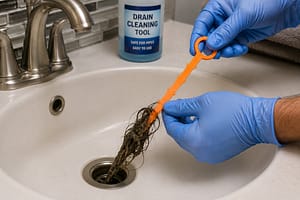
This is not glamorous, but it is often the fastest fix. Hair clogs tend to collect right under the stopper or just below the drain opening. In many bathroom sinks and tubs, you can remove the stopper or access the drain opening and pull the hair out with a plastic drain tool, hemostat-style grabber, or needle-nose pliers.
Among the best drain cleaning methods for bathroom fixtures, this one is hard to beat because it removes the material instead of pushing it farther in. That matters. Pushing hair deeper often creates a tighter clog later.
Go slowly and wear gloves. If you pull out a heavy wad of hair and soap slime, flush with warm water afterward. If flow improves only a little, there may be more buildup down at the trap.
4. A drain snake for traps and branch lines
A hand auger or small drain snake is the go-to tool when the blockage is beyond what you can reach by hand. This is where DIY drain cleaning starts getting more effective than chemical shortcuts.
Feed the snake in slowly. When you hit resistance, rotate the cable and work it through the clog instead of forcing it. If you ram the cable, you can compact the blockage or scratch up older pipe interiors. Once the snake grabs the clog, pull it back carefully and clean the cable as you go.
For bathroom sinks, this method is excellent. For tubs and showers, it also works well if hair has collected farther down the line. In kitchen sinks, it can help, but grease-heavy clogs sometimes smear along the pipe walls instead of coming out cleanly. In those cases, snaking may restore flow without fully cleaning the line.
5. Trap cleaning when the clog is under the fixture
If one sink is clogged and nothing else in the property is affected, the trap under that fixture is a likely problem spot. This is especially common in kitchen sinks, where grease and food particles settle in the bend, and in bathroom sinks where toothpaste sludge builds up.
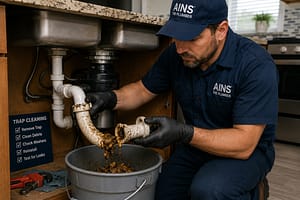
Place a bucket underneath, loosen the slip nuts, and remove the trap. Clean it thoroughly, then inspect the short sections of pipe on both sides. If the trap is packed with debris, you have likely found the problem. If it is mostly clear, the clog is farther down the branch line.
This method is practical, direct, and often overlooked. It is also safer for your plumbing than pouring harsh chemicals into a line that may just need to be taken apart and cleaned properly.
6. Enzyme drain cleaners for maintenance, not emergencies
Enzyme-based cleaners can be useful, but only when you understand their role. They are not designed to blast through a fully blocked drain in 20 minutes. What they do well is digest organic buildup over time, especially in lines that drain slowly because of soap residue, biofilm, or light kitchen waste.
They are generally safer for pipes than aggressive chemical drain openers, especially in older homes or systems with mixed materials. They can also help reduce odors coming from buildup inside the line.
The trade-off is speed. If your sink is standing full of water or your shower is backing up fast, enzyme products are too slow to be your main solution. Use them as part of maintenance or as a follow-up after mechanical cleaning.
7. Professional drain machines and hydro jetting for serious clogs
When multiple fixtures are backing up, when a toilet bubbles while a sink drains, or when you keep clearing the same line over and over, you may be dealing with a deeper branch blockage or a main drain issue. This is where professional-grade equipment matters.
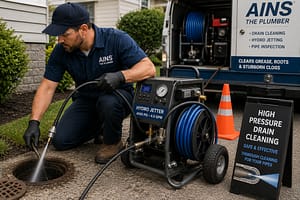
A powered drain machine can cut through tougher blockages farther down the line. Hydro jetting goes a step further by scouring the inside of the pipe with high-pressure water. It can remove grease, sludge, and heavy buildup much more completely than a basic snake.
But hydro jetting is not automatic for every home. If pipes are old, fragile, poorly repaired, or already cracked, high pressure can create bigger problems. A good plumber evaluates the condition of the line first. That is the kind of judgment that saves homeowners money.
What to avoid, even if it sounds easy
The biggest mistake I see is overusing chemical drain cleaners. Strong caustic or acidic products can damage certain pipes, weaken fittings, and create a hazard for anyone who later opens the drain or works on the line. They also tend to burn a small hole through a clog instead of removing it fully.
Another common mistake is repeating the same failed method. If hot water did nothing and plunging did nothing, dumping in more cleaner usually will not change the outcome. It just delays the right fix.
Be careful with improvised tools too. Wire hangers and sharp metal objects can scratch porcelain, damage strainers, or puncture older piping. Real drain tools are inexpensive compared to repairing a cracked trap or broken fitting.
When to stop DIY and call a plumber
If more than one fixture is affected, if sewage odor is strong, if water backs up in the tub when you run a sink, or if the clog keeps returning, stop treating it like a surface problem. Those are signs the issue may be deeper in the drainage system.
The same goes for homes with older plumbing, frequent grease blockages, or any suspicion of root intrusion in the main line. At that point, diagnosis matters as much as cleaning. A trained plumber can determine whether the problem is buildup, damage, poor slope, or a failing section of pipe.
For homeowners and property managers, the smartest approach is simple: start with the least aggressive method that fits the symptom, and step up only when needed. That is how you clear drains without turning a manageable clog into a repair bill.
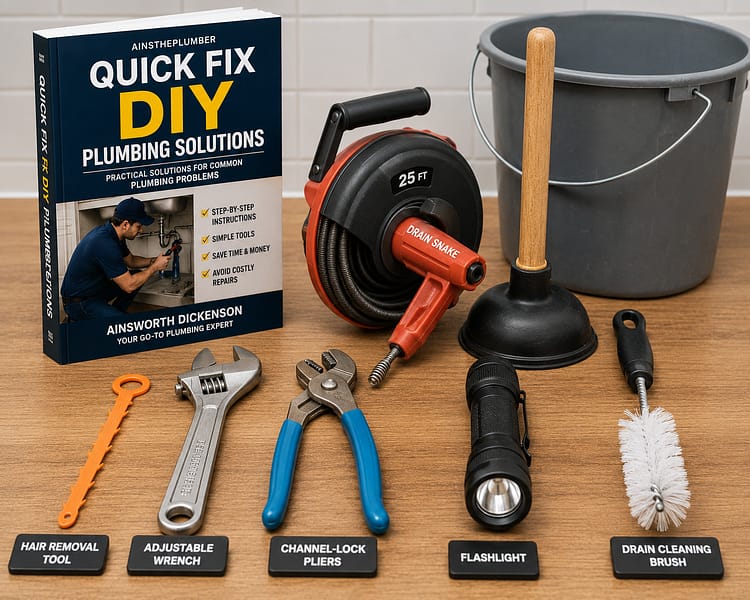
Recommended Tools & Plumbing Guide
As a plumber with over 20 years of experience, I’ve seen how the right tools can make the difference between a quick fix and major damage. I’ve put together a list of trusted plumbing tools and leak detection products that homeowners can use to catch problems early and protect their homes.
👉 Browse my recommended tools and products here
📘 Get my practical plumbing guide:
https://www.amazon.com/dp/B0F9ZZJCJG
— Ainsworth Dickenson
Your Go-To Plumbing Expert