Disclosure: As an Amazon Associate, I may earn from qualifying purchases.
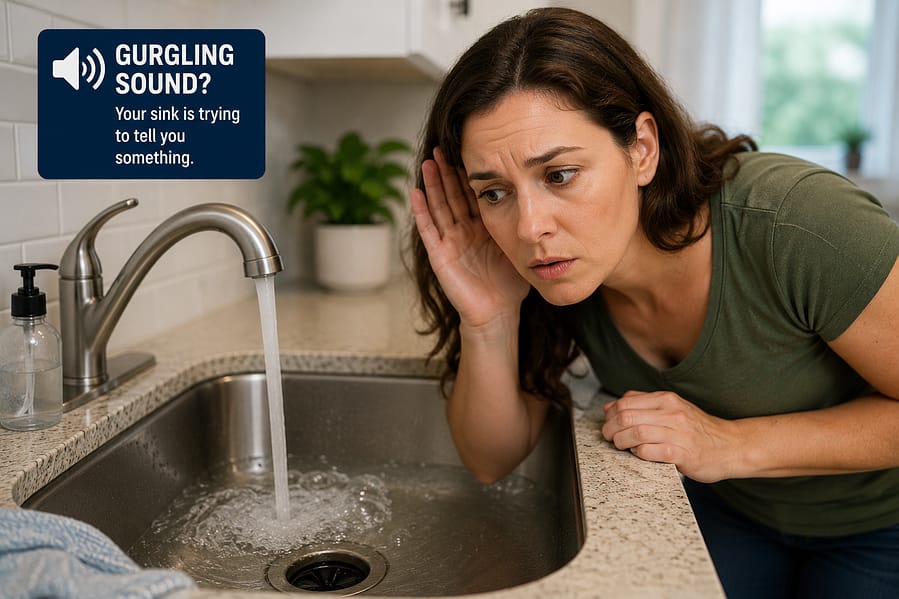
That gurgling sound usually shows up when you are already busy – washing dishes, brushing your teeth, or draining a sink in a rental right before guests arrive. If you are asking why your sink gurgles, the short answer is this: your drain is struggling to move water and air the way it should.
A sink drain is not just a pipe that carries water away. It also depends on proper airflow through the vent system and a clear path through the trap and drain line. When either of those gets restricted, air gets pulled through water in the trap or pushed back toward the fixture. That is the gurgle you hear.
Why does my sink gurgle when it drains?
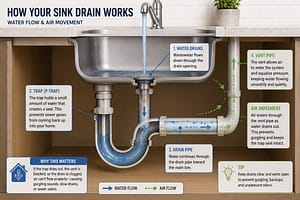
In most homes, a gurgling sink points to one of three problems: a partial clog, a venting issue, or a developing blockage farther down the branch drain. The sound is basically your plumbing system telling you pressure is off balance.
If the sink drains slowly and gurgles, a clog is the first suspect. Grease, soap scum, hair, food particles, and toothpaste do not always stop a drain completely right away. More often, they build up along the pipe wall and narrow the opening. Water squeezes past the restriction, dragging air with it, and that creates the bubbling or gulping sound.
If the sink drains at a decent speed but still gurgles, the vent system deserves more attention. Plumbing vents let air enter the drain system so wastewater can flow smoothly. Without enough air, the drain line tries to pull it from the nearest place available – often through the sink trap. That produces noise and, in some cases, a sewer smell.
There is also the possibility that your sink itself is not the main problem. A blockage in a shared drain line can make one fixture complain before the others do. In apartments, duplexes, and commercial spaces, that matters a lot because the issue may be farther downstream than you expect.
The most common causes of a gurgling sink
A partial clog in the sink drain
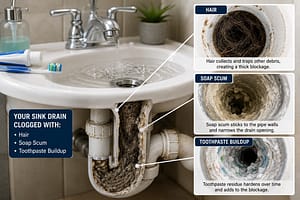
This is the most common cause I see in kitchens and bathrooms. In a bathroom sink, hair, shaving residue, soap, and toothpaste slowly coat the pipe. In a kitchen sink, grease is the usual troublemaker, especially when it grabs food scraps and builds a sticky restriction.
A partial clog changes the way water flows. Instead of moving in a clean, steady stream, it surges and pulls air pockets along with it. That creates the gurgling sound. If left alone, it often turns into a full blockage.
A clogged or poorly functioning vent
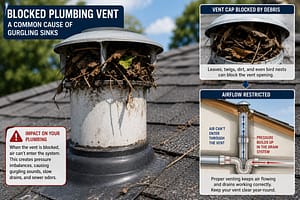
Your plumbing vent usually runs up through the roof. Its job is simple but critical – it keeps pressure balanced in the drain system. If leaves, debris, a bird nest, or even heavy buildup block that vent, drains can start making noise.
This is one of those issues homeowners often overlook because the sink itself looks like the problem. But if multiple fixtures gurgle, or if one fixture gurgles when another one drains, venting moves much higher on the list.
A blockage farther down the line
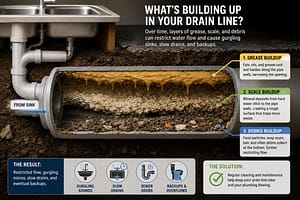
Sometimes the sink trap and tailpiece are fairly clean, but the branch drain in the wall or under the floor is starting to close up. That can happen from grease, scale, debris, or even a slight pipe sag that allows waste to collect.
This kind of blockage can be tricky because the sink may still drain for now. The gurgling is the early warning. If ignored, you may eventually see backups in another fixture.
Problems with an air admittance valve
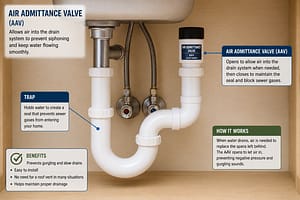
Some homes use an air admittance valve, often called an AAV, instead of a traditional vent in certain locations. This device opens to let air into the system when water drains. If it sticks closed or starts failing, the sink can gurgle.
This is more common under island sinks or in remodeled areas where conventional venting was difficult. The fix may be simple, but you need to confirm the valve is actually the issue before replacing parts.
What you can check yourself first
Start with the easy evidence. Does the sink drain slowly, or is it only making noise? Does it happen every time, or only after a lot of water goes down? Do nearby fixtures make similar sounds? Those details help you narrow it down fast.
Next, remove and inspect the stopper if it is a bathroom sink. You would be surprised how often a nasty ring of hair and soap around the stopper is causing the problem. Clean it thoroughly and test the drain again.
If it is a kitchen sink, think about recent habits. A sink that started gurgling after washing greasy pans or sending starchy food down the disposal is often dealing with buildup in the trap or trap arm.
You can also check under the sink for signs of a vent-related setup, especially if there is an AAV installed. If the valve is old, damaged, or installed incorrectly, it may not be admitting air the way it should.
Safe steps to try before calling a plumber
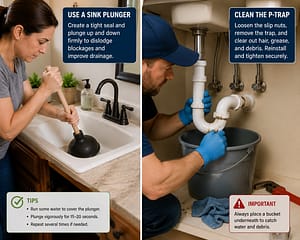
A simple plunger can help if the clog is close to the sink opening. Use a sink plunger, not a toilet plunger, and make sure there is enough water in the basin to cover the cup. On a double kitchen sink, seal the other side first so you can build pressure. A few firm plunges may loosen the blockage enough to restore normal flow.
If plunging does not help, cleaning the trap is the next practical step for many homeowners. Place a bucket underneath, remove the trap, and clear out any sludge or debris. This works well for bathroom sinks and some kitchen sinks, though kitchen traps can be messier than people expect.
A hand drain snake is another solid option when the clog is beyond the trap. Feed it carefully and do not force it. You want to break up or retrieve the blockage, not damage older piping.
Skip chemical drain cleaners if you can. They rarely solve a venting issue, they often do a poor job on heavy grease or hair clogs, and they can make later repairs more hazardous. I have opened plenty of traps that still had caustic cleaner sitting in them.
Signs the gurgling is more serious
A single sink with a minor clog is one thing. A sink that gurgles along with other symptoms is a different conversation.
If your toilet bubbles when the sink drains, if the tub gurgles too, or if sewer odor is showing up near the sink, the problem may involve the vent system or a blockage in the main drain line. The same goes for recurring gurgling that keeps returning after basic cleaning. That usually means the restriction is farther down or the venting problem was never addressed.
Pay attention to timing as well. If the sink gurgles when the washing machine drains or when an upstairs fixture is used, you are likely dealing with a shared drainage issue rather than a simple local clog.
When to call a plumber
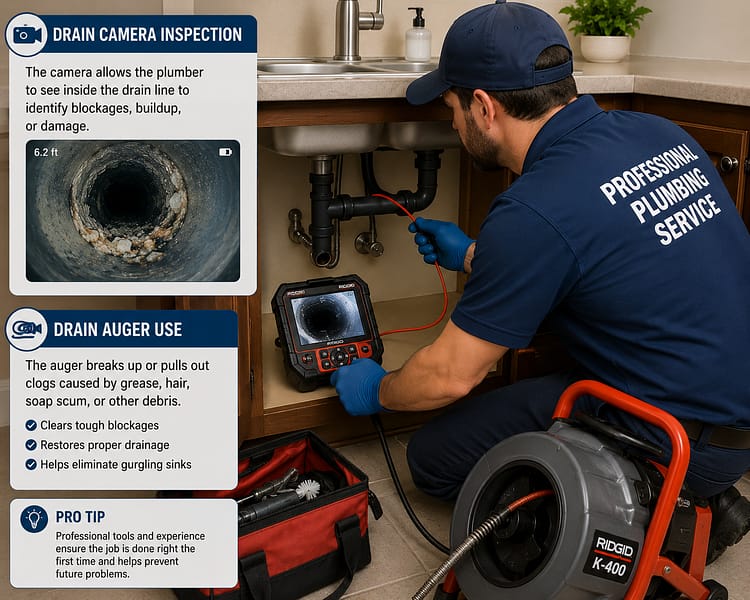
Call for help if more than one fixture is affected, if the sink backs up repeatedly, or if you suspect a roof vent blockage and cannot inspect it safely. Main line and vent diagnostics are where experience matters, because the wrong guess wastes time and usually money.
A plumber can determine whether the issue is in the trap, the wall, the vent, or farther down the system. In some cases, a professional auger or camera inspection is the fastest way to stop guessing and fix the real problem.
For property managers and owners of older homes, this matters even more. Aging drain lines can collect heavy buildup or develop alignment issues that keep producing the same symptoms. A quick temporary fix might buy time, but it will not always give you a reliable long-term result.
How to keep your sink from gurgling again
Prevention is mostly about keeping the drain line open and reducing the material that sticks inside it. In bathroom sinks, regular stopper cleaning goes a long way. In kitchen sinks, keep grease out of the drain and use plenty of running water when sending food waste through a disposal.
It also helps to act early. A sink that starts draining a little slower is easier to deal with than one that has been noisy for months. Small restrictions become stubborn blockages over time.
If your home has had repeated drainage issues, it may be worth having the system evaluated before it turns into an emergency. That is especially true in multi-unit buildings or coastal environments where wear, corrosion, and heavy use can add up fast.
A gurgling sink is not just an annoying sound. It is one of the clearest early signals your plumbing is asking for attention, and the sooner you respond, the easier the fix usually is.
Recommended Tools & Plumbing Guide
As a plumber with over 20 years of experience, I’ve seen how the right tools can make the difference between a quick fix and major damage. I’ve put together a list of trusted plumbing tools and leak detection products that homeowners can use to catch problems early and protect their homes.
👉 Browse my recommended tools and products here
📘 Get my practical plumbing guide:
https://www.amazon.com/dp/B0F9ZZJCJG
— Ainsworth Dickenson
Your Go-To Plumbing Expert