A $10 washer, a slow drip, or a running toilet can trigger a costly repair. How to Prevent Expensive Plumbing Repairs at Home helps you catch small changes before water limits damage.
Early signs of plumbing issues.
With more than 20 years in the field, I can tell you this. Major plumbing failures rarely look major at the beginning. How to Prevent Expensive Plumbing Repairs at Home is aided by noticing early warnings. They start as a stain, an odor, or a weak flush. A higher water bill or a drain that takes longer than usual follows. The homeowners who save the most money are those who notice early warnings and act on them.
Know Where Your Water Comes From and How to Stop It
Every adult in the home should know where the main water shutoff valve is located and how to operate it. In many homes, it is near the water meter, where the main line enters the house, in a utility room, garage, crawl space, or outside valve box. If a supply line bursts, knowing where that valve is can be the difference between a quick cleanup and thousands of dollars in water damage.
Test the valve once or twice a year. A shutoff valve that has not been moved in years can seize when you need it most. Turn it gently, never force it, and check that it actually stops the water. Also locate the individual shutoff valves under sinks, behind toilets, and near appliances. These smaller valves let you isolate one fixture without shutting down the entire house.

Take photos of the valves and save them in your phone. It sounds simple, but during a nighttime leak or an emergency, clear information beats guessing.
How to Prevent Expensive Plumbing Repairs at Home With Routine Checks
A five-minute monthly inspection can reveal trouble long before it becomes a flood. Walk through kitchens, bathrooms, laundry rooms, and utility spaces with a flashlight, How to Prevent Expensive Plumbing Repairs at Home. Open sink cabinets, feel around connections, and look for changes rather than waiting for visible water on the floor.
Pay attention to these common warning signs:
- Moisture, rust, green corrosion, or white mineral buildup around supply valves and pipe connections.
- A musty smell inside a cabinet, near a toilet, or around a wall with plumbing behind it.
- Water stains, soft drywall, peeling paint, warped flooring, or a cabinet base that feels swollen.
- A water bill that rises without a clear reason or a water meter that moves while all fixtures are off.

Do not ignore a small leak because it appears manageable. Water follows gravity and can travel along framing, pipes, and electrical penetrations before it shows itself. By the time you see a ceiling stain, the source may be several feet away.
For a basic leak check, turn off all faucets, appliances that use water, and irrigation if possible. Then look at your water meter. If the leak indicator moves or the meter reading changes after 15 to 30 minutes, water is going somewhere. A running toilet is often the culprit, but a hidden line leak needs professional diagnosis before it damages the property.
Keep Water Pressure Under Control
High water pressure is hard on every part of a plumbing system. It stresses faucet cartridges, toilet fill valves, appliance hoses, water heater connections, and older pipe joints. You may enjoy strong water flow in the shower, but excessive pressure can quietly shorten the life of your fixtures.
A practical target for most homes is generally between 40 and 80 psi. If you hear pipes banging, see frequent faucet drips, or replace fill valves and appliance hoses more often than expected, have the pressure tested. A pressure-reducing valve may need adjustment or replacement.
Pressure can also rise when a water heater heats water in a closed plumbing system. That is why expansion tanks, pressure regulators, and relief valves should be installed and maintained correctly. These are not areas for trial-and-error repairs. A licensed plumber can test the system and identify whether the issue is pressure, thermal expansion, or a failing valve.
Treat Drains Gently Before They Back Up
Clogged drains become expensive when homeowners repeatedly force the blockage deeper, damage the pipe with aggressive tools, or use harsh chemicals that create a bigger problem. Chemical drain cleaners may seem convenient, but they can damage older metal piping, harm seals, and leave dangerous chemicals sitting in a drain if the clog remains.
Use strainers in kitchen sinks, showers, and tubs. Keep grease, coffee grounds, rice, pasta, fibrous vegetables, wipes, and hygiene products out of drains. Even products labeled flushable can catch in older drains, septic systems, or low-flow plumbing and create a stubborn blockage.
If a sink drains slowly, start with the simple causes. Clean the stopper and remove hair or debris from the trap if you can do so safely. A plunger can help on certain fixture drains, but use the correct technique and protect nearby openings. If several fixtures drain slowly, water backs up in a tub when the toilet flushes, or sewage odors appear, stop using the affected plumbing and call a professional. Those signs can point to a main drain or sewer issue rather than a small local clog.
Give Your Water Heater Regular Attention
Water heaters work quietly until they do not. A leaking tank, failed relief valve, heavy sediment buildup, or corroded connection can cause serious damage quickly. Check around your unit every month for moisture, rust, dripping, or corrosion at the top connections.
If you have a tank-style heater, sediment maintenance matters, especially in areas with mineral-heavy water. Sediment makes the unit work harder, reduces hot-water capacity, and can contribute to popping or rumbling sounds. Flushing may help, but the right approach depends on the unit’s age, condition, and maintenance history. On an older heater that has never been serviced, opening a drain valve can sometimes reveal existing problems. When in doubt, have a qualified plumber assess it first.
Test the temperature and pressure relief valve according to the manufacturer’s guidance, and make sure its discharge pipe is correctly installed. Never cap or block that pipe. It is a safety device, not an optional accessory.
Stop Toilet Problems While They Are Still Cheap
A running toilet can waste a surprising amount of water. Often, the fix is a worn flapper, a poorly adjusted fill valve, or a chain that is too long or too short. Add a few drops of food coloring to the tank and wait 15 to 20 minutes without flushing. If color appears in the bowl, water is leaking past the flapper.
Also check the floor around the toilet. If the base feels loose, the floor feels soft, or you notice a sewer smell after flushing, do not just caulk around it and hope for the best. The wax ring, flange, toilet base, or flooring may need attention. A small seal failure can allow water to damage the subfloor with every flush.
Replace Aging Hoses Before They Fail
Washing machine supply hoses, dishwasher lines, refrigerator ice-maker lines, and under-sink connections deserve regular inspection. These flexible lines are common sources of sudden water damage because they often fail when nobody is home.
Look for cracking, bulging, rusted fittings, kinks, or moisture around the ends. Replace old rubber washing machine hoses with high-quality braided stainless-steel hoses, and avoid pushing appliances so far back that hoses become pinched. If you will be away from the property for an extended period, consider shutting off water to the washing machine and other appliances where practical.

Know When DIY Ends and Professional Help Begins
DIY maintenance can save money when the task is visible, low-risk, and within your skill level. Replacing a faucet aerator, clearing hair from a stopper, changing a toilet flapper, or tightening a loose supply connection are reasonable homeowner jobs when done carefully.
Call a professional when the problem involves hidden leaks, sewer backups, water heater safety components, recurring clogs, pipe replacement, low water pressure throughout the property, or water stains in walls and ceilings. The trade-off is simple: a service call costs money, but opening the wrong wall, overtightening a fitting, or ignoring a hidden leak usually costs more.

Ainstheplumber’s approach has always been to help property owners make that decision with confidence. The goal is not to call a plumber for every drip. It is to recognize the point where experienced diagnosis prevents a manageable issue from becoming major damage.
Your plumbing system does not need constant worry, just consistent attention. Listen for changes, look where water should not be, and deal with small problems while they are still small. That habit protects your home far better than any last-minute emergency repair.
Recommended Tools & Plumbing Guide
As a professional plumber with over 20 years of experience, I have seen how the right tools, reliable products, and regular maintenance can help homeowners identify plumbing problems early and prevent unnecessary damage.
Disclosure: This article contains affiliate links. If you purchase through one of these links, I may earn a commission at no additional cost to you. As an Amazon Associate, I earn from qualifying purchases.
⭐ Enjoy convenient shopping and delivery options—explore Amazon Prime benefits and eligibility. Availability and benefits may vary by location.
👉 Browse my recommended plumbing tools and products
🔧 Visit my Plumbing Solutions Store
Get My Practical Plumbing Guide
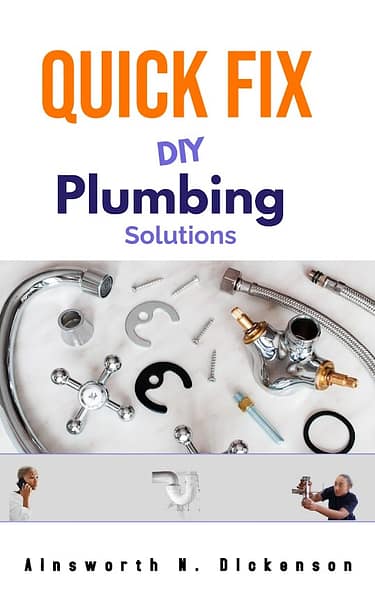
Build your plumbing knowledge and approach common household problems with greater confidence using Quick Fix DIY Plumbing Solutions.
Kindle Unlimited members may also read the eBook through their membership while it remains enrolled in KDP Select.
Ainsworth Dickenson
Professional Plumber & Author
AinsThePlumber