Disclosure: As an Amazon Associate, I may earn from qualifying purchases.
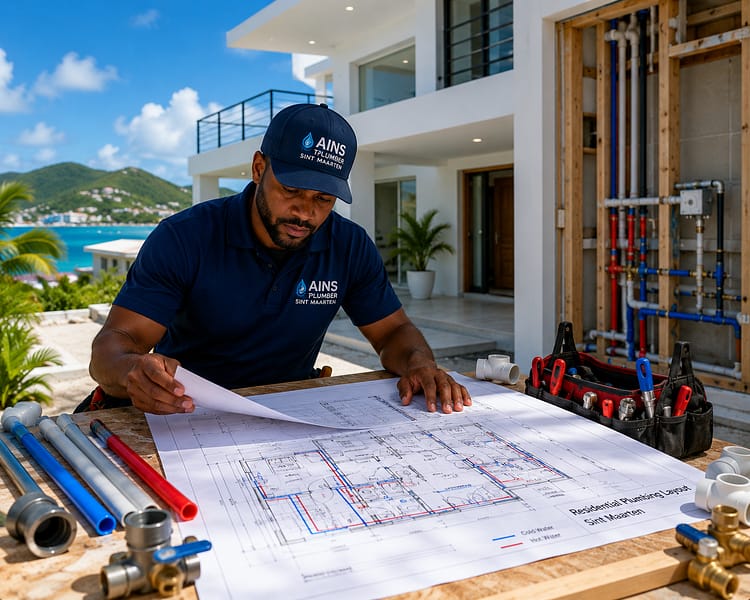
A plumbing install in Sint Maarten can look fine on day one and still create expensive trouble a few months later. That is why residential plumbing installations Sint Maarten homeowners choose should be planned for the island’s real conditions – salt air, hard use, storm risk, mixed water quality, and the wear that comes with full-time living or short-term rental turnover.
If you are building, renovating, or replacing an outdated system, the goal is not just to get water moving. The goal is to end up with a system that stays reliable, is easy to maintain, and does not turn into a hidden leak behind tile or under concrete.
What makes residential plumbing installations Sint Maarten different
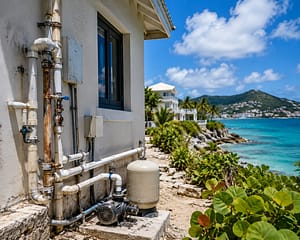
Plumbing on an island has its own set of pressures. Materials age differently near the coast. Outdoor exposure matters more. Tank systems, pumps, water heaters, and pressure fluctuations often play a bigger role than they do in many mainland homes. Even the way a property is used can affect what kind of installation makes sense.
For example, a single-family home occupied year-round needs something different than a vacation villa or an apartment building with frequent guest turnover. A homeowner may want easy shutoffs and accessible cleanouts for long-term maintenance. A rental owner may need durable fixtures, stable hot water delivery, and pipe routing that reduces the chance of guest-caused damage.
That is where experience matters. Good installation work is not just about connecting pipes. It is about understanding how the whole system will perform under real use.
Start with the water source and pressure setup
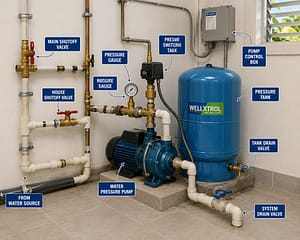
Before any pipe goes in, the first question is simple: where is the water coming from, and how steady is the pressure? In Sint Maarten, that answer can shape the entire installation.
Some properties deal with pressure changes that affect showers, washing machines, and water heaters. Others rely on storage and pump setups that need careful sizing. If that part is overlooked, you can end up with weak flow at fixtures, noisy pipes, pump cycling, or fixtures that wear out faster than they should.
A proper installation starts by matching the piping layout, pipe size, valves, and equipment to the property’s actual demand. A small apartment and a large family home do not need the same approach. Neither does a house with one bathroom compared to one with multiple baths, outdoor showers, and irrigation connections.
This is also where many costly shortcuts begin. Oversized or undersized piping, poor valve placement, and no thought given to future servicing can all create headaches later.
Pipe material choices matter more than most homeowners think

Homeowners often ask which pipe material is best, but the honest answer is that it depends on location, exposure, water conditions, and budget. There is no single perfect material for every job.
PEX can be a smart option for many indoor water distribution systems because it is flexible and efficient to install. Copper still has its place, especially where durability and temperature handling are priorities. PVC and CPVC may be used in certain drainage or supply applications, depending on code and the system design.
The mistake is choosing based on price alone. The cheaper option up front can become the expensive option if it is not well suited to the home. On island properties, exposure to heat, UV, corrosion risk, and accessibility for repairs all need to be considered. Good installers think about all of that before recommending a material.
Layout and access are just as important as the pipes
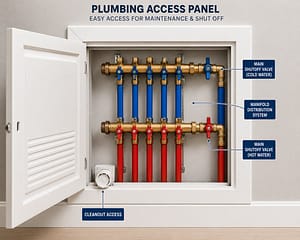
A clean installation is not only about what is hidden inside walls. It is also about whether key parts of the system can be reached when something goes wrong.
Every home should have well-placed shutoff valves, accessible fixture connections, and drainage cleanouts where they can actually be used. If a valve is buried behind cabinetry or a cleanout is blocked by finished work, you lose valuable time during a leak or backup.
This is one of those areas where experienced plumbers save homeowners money without it being obvious at first. A thoughtful layout makes future repairs faster and less destructive. It also makes inspections and upgrades easier later.
In practical terms, that could mean isolating bathrooms with dedicated shutoffs, keeping water heater connections serviceable, or routing piping in a way that avoids unnecessary slab work down the line.
Bathroom and kitchen installations need planning, not guesswork
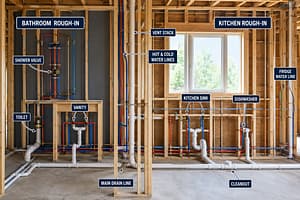
Bathrooms and kitchens are where most people notice plumbing quality right away. If the drainage is slow, the pressure is uneven, or the hot water takes forever, the install was not thought through properly.
In bathrooms, the spacing and venting of toilets, showers, and sinks need to be precise. Small errors can lead to drainage issues, sewer odor, or recurring clogs. In kitchens, garbage disposal connections, dishwasher drains, sink traps, and shutoff valves all need to be set up with maintenance in mind.
This is especially important in remodels. Older homes often have existing plumbing that does not line up neatly with the new layout. Sometimes the right move is to adapt what is there. Other times, trying to save old pipework creates more problems than it solves. Knowing the difference is what protects the budget.
Water heaters, pumps, and fixtures should work as one system
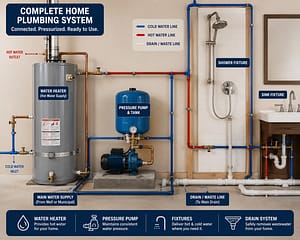
A lot of installation problems come from treating each component as separate. The water heater gets installed. The pump gets installed. The fixtures get installed. But no one steps back to ask whether the whole system is balanced.
If the pressure is too high, fixtures and supply lines take unnecessary stress. If the water heater is undersized, occupants run out of hot water fast. If pump settings are wrong, you may hear constant cycling or notice poor fixture performance. If fixture quality is low, even a good pipe installation can feel disappointing in daily use.
That is why homeowners should think in terms of system performance, not just product selection. A reliable residential plumbing install should give you stable water flow, predictable drainage, manageable maintenance, and no surprises behind finished walls.
Common mistakes in residential plumbing installations Sint Maarten
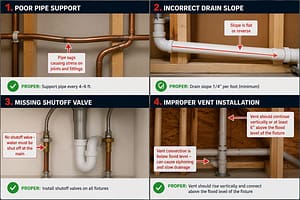
The most expensive plumbing problems often start with work that looked acceptable at handover. A few common issues show up again and again.
Poor slope on drainage lines can cause recurring backups. Missing or badly located venting can affect drainage and trap seals. Inadequate support on supply or waste lines can lead to movement, noise, and joint stress. Low-quality fittings in the wrong location can fail early, especially where heat, pressure, or corrosion are factors.
Another common issue is failing to pressure test and inspect thoroughly before walls are closed. That is a gamble no homeowner should pay for later. Once tile, drywall, or cabinetry is in place, even a small leak becomes a larger repair.
This is one reason many property owners prefer working with a professional who also teaches homeowners what to look for. Ainstheplumber approaches installations with the mindset that an informed customer makes better decisions and avoids expensive shortcuts.
When DIY makes sense and when it does not
Some homeowners can handle parts of a plumbing project, especially fixture swaps or simple shutoff replacements. If you are comfortable with basic tools, can follow instructions carefully, and know how to isolate water safely, there are situations where DIY can save money.
Full residential installations are different. New supply lines, drain layouts, venting, water heater connections, and pressure-related equipment leave less room for error. A small installation mistake can stay hidden until it causes mold, wall damage, or a major water bill.
The smart middle ground is to know where your confidence ends. You might choose your fixtures, understand the layout, and ask better questions while still hiring a pro for the actual installation. That is not giving up control. That is protecting your property.
How to choose the right installer
The best installer is not always the one with the lowest quote. A low price can mean missing valves, poor material choices, rushed testing, or a layout that creates service problems later.
Ask how the system will be routed. Ask what materials are being used and why. Ask where shutoffs and cleanouts will be placed. Ask whether pressure testing will be done before walls are closed. And ask how the installation accounts for the way your property is actually used.
Those questions tell you a lot. An experienced plumber should be able to explain the reasoning in plain language, not hide behind jargon. If the answers are vague, that is a warning sign.
A good residential plumbing installation should feel boring in the best way. No mystery leaks. No constant drain issues. No fighting the shower every morning. Just a system that works the way it should and keeps working.
If you are planning plumbing work in Sint Maarten, think beyond the opening price and focus on long-term performance. The right install protects your home, your time, and your money long after the project is finished.
Frequently Asked Questions About Residential Plumbing Installations
How long should a residential plumbing installation last?
A properly installed plumbing system can last for decades, depending on the materials used, water quality, maintenance, and environmental conditions.
What is the best pipe material for a home in Sint Maarten?
The best choice depends on the location, exposure, budget, and intended use. PEX, copper, PVC, and CPVC all have advantages when installed correctly.
Should I replace old plumbing during a renovation?
If the existing pipes show signs of corrosion, leaks, poor performance, or are difficult to access later, replacement during renovation is often the more cost-effective option.
Why are shutoff valves important in a plumbing installation?
Properly located shutoff valves allow sections of the system to be isolated for repairs, reducing water damage and making maintenance much easier.
Recommended Tools & Plumbing Guide
As a plumber with over 20 years of experience, I’ve seen how the right tools can make the difference between a quick fix and major damage. I’ve put together a list of trusted plumbing tools and leak detection products that homeowners can use to catch problems early and protect their homes.
👉 Browse my recommended tools and products here
📘 Get my practical plumbing guide:
https://www.amazon.com/dp/B0F9ZZJCJG
— Ainsworth Dickenson
Your Go-To Plumbing Expert