Disclosure: As an Amazon Associate, I may earn from qualifying purchases.
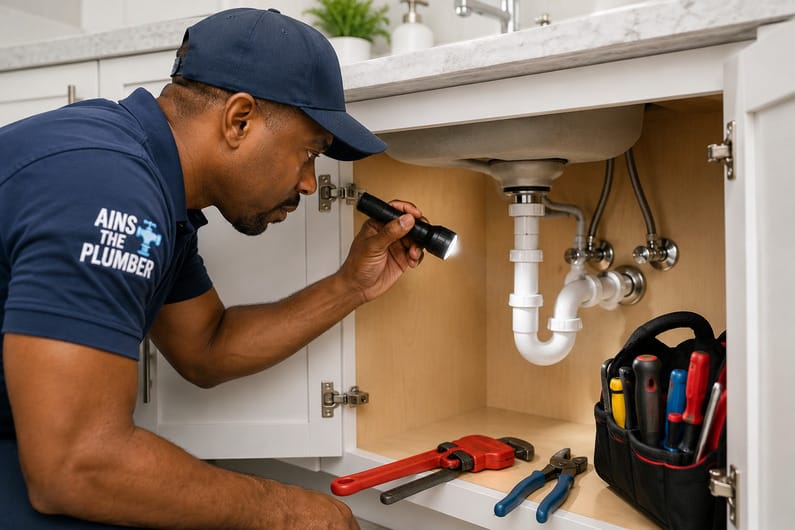
A dripping angle stop under a bathroom sink can waste water for weeks before anyone notices. A slow toilet fill valve can quietly run up your bill. Most plumbing damage starts that way – small, easy to miss, and expensive when ignored. That is why a solid home plumbing maintenance guide matters. It helps you spot trouble early, protect your fixtures, and avoid turning a minor issue into drywall, flooring, or cabinet damage.
This is not about making every homeowner into a plumber. It is about knowing what to check, what basic maintenance makes a real difference, and where the line is between a smart DIY task and a repair that needs professional hands.
How to use this home plumbing maintenance guide
The best maintenance plan is one you will actually follow. You do not need to inspect every pipe in your house every weekend. What works better is a simple routine: quick monthly checks, a few seasonal tasks, and a clear idea of what warning signs should never be ignored.
If you own a home, this routine helps protect your property and lower surprise repair costs. If you manage rentals or small commercial spaces, it gives you a practical inspection rhythm that can catch wear before tenants report a bigger problem. Even if you rent and only handle basic upkeep, these habits can help you identify issues early and document them properly.
Start with the places most likely to leak
Most plumbing failures are not dramatic pipe bursts. They are slow leaks at supply lines, shutoff valves, drain connections, wax seals, and appliance hoses. Begin under sinks, behind toilets, around the water heater, and at the base of faucets.
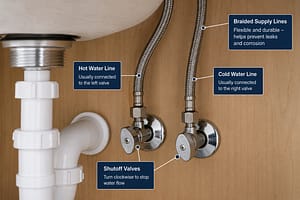
Open the cabinet doors and use a flashlight. Look for swelling on the cabinet floor, stains on the back wall, corrosion on shutoff valves, and mineral buildup on braided supply lines. Touch the connections with a dry paper towel. A fitting can look fine and still leave a faint damp ring.
Around toilets, pay attention to movement. If the toilet rocks even slightly, the seal may eventually fail. That does not always mean an immediate emergency, but it is not something to leave for months. A soft floor around the base is a bigger red flag because by then, water may already be affecting the subfloor.
At faucets, watch for drips at the spout and around the handle base. A constant drip usually points to worn internal parts. It may seem minor, but letting it go can increase wear and leave stains that are harder to clean later.
Keep drains moving without creating new problems
Drain maintenance is where many well-meaning homeowners make things worse. The goal is prevention, not chemical warfare. Harsh drain cleaners can damage certain pipes, weaken older fittings, and create a safety risk if a plumber later has to open the line.
In kitchen sinks, the biggest issue is grease. Even if it goes down warm, it cools inside the drain and begins to grab food particles. Scrape plates into the trash first, use sink strainers, and flush the kitchen drain occasionally with hot water and dish soap. If your sink starts draining slowly, address it early rather than waiting for a full blockage.
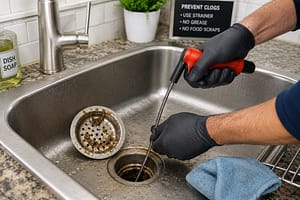
Bathroom drains usually clog from hair and soap residue. Remove and clean the stopper regularly. That simple step prevents a surprising number of service calls. If a sink or tub is already draining slowly, a hand snake is usually a better first move than chemicals.
Toilets need a different kind of maintenance. Avoid flushable wipes, paper towels, hygiene products, and anything labeled “mostly safe” for plumbing. In real pipes, “mostly safe” is not good enough. A toilet should flush cleanly and refill at a normal speed. If it bubbles, backs up, or flushes weakly more than once, it deserves attention.
Don’t ignore your water heater
Water heaters are often forgotten until they stop producing hot water or start leaking. By then, your options are more limited. A basic visual check once a month goes a long way.
Look around the base for moisture, rust streaks, or white mineral deposits. Check the connections above the unit and the shutoff valve nearby. If you hear popping or rumbling, sediment may be building up inside the tank. In areas with hard water, that buildup happens faster and reduces efficiency.
Flushing a tank water heater can help, but it depends on age and condition. On a newer, well-maintained unit, flushing is usually helpful. On an older tank that has never been flushed, stirring up heavy sediment can sometimes expose weak spots or create valve issues. If the heater is aging and showing corrosion, caution is smarter than enthusiasm.
Also, check the temperature setting. Many homes are set to a higher temperature than necessary, increasing the risk of scalding and wasting energy. Around 120 degrees Fahrenheit is a common safe target for households, though some situations vary.
Test pressure before it tests your plumbing
High water pressure feels great in the shower, but it is hard on pipes, valves, appliance hoses, and fixtures. It can shorten the life of your plumbing system and cause small, weak points to fail sooner.
A simple pressure gauge that screws onto a hose bibb can tell you whether your pressure is in a reasonable range. If it is consistently high, a pressure-reducing valve may need adjustment or replacement. This is one of those issues that saves money indirectly – not by reducing a single bill dramatically, but by reducing stress on the whole system.
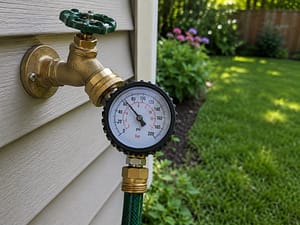
Pressure problems can also show up as banging pipes, fast fixture wear, or repeated supply line leaks. If you are seeing those signs, pressure is worth checking before you keep replacing parts.
Watch your fixtures like they’re early warning devices
Fixtures tell you a lot about what is happening deeper in the system. A showerhead that suddenly loses pressure might be due to mineral buildup, but it could also indicate supply issues. A faucet that sputters may indicate trapped air after shutoff work, or it may suggest inconsistent water flow from another cause.
Run each faucet and shower briefly during your monthly check. Listen as much as you look. Whistling, hammering, and gurgling all mean something. So does a toilet that runs long after the tank should be full.
This is also the right time to exercise shutoff valves. Turn the fixture shutoffs gently on and off so they do not seize from years of sitting untouched. Do not force an old valve if it feels stuck. A frozen shutoff can turn a simple repair into an emergency when a line starts leaking and cannot be isolated.
Seasonal checks that protect the whole house
Some plumbing tasks make more sense at certain times of year. Before colder weather, protect exposed piping in vulnerable areas such as crawl spaces, garages, and exterior walls. Frozen pipes are not just a northern problem. A sudden cold snap in places that rarely see freezing temperatures can catch people off guard because pipes and insulation are often less prepared.
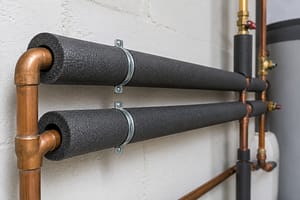
Before heavy rain seasons, make sure outdoor drains, gutters, and discharge points are clear. While not every drainage issue is strictly a plumbing issue, poor water movement around the property can affect slabs, lower levels, and utility areas.
Check outdoor hose bibs and irrigation connections too. A small exterior leak can run unnoticed for a long time, especially in larger yards or side areas that people rarely inspect.
Know when DIY stops being smart
A good maintenance routine should build confidence, not overconfidence. Cleaning a trap, replacing a showerhead, or swapping a toilet flapper is reasonable for many homeowners. Opening walls, replacing drain lines, diagnosing hidden slab leaks, or working on a corroded main shutoff is different.
The real question is not just, “Can I do this?” It is, “What happens if I’m wrong?” Water damage spreads quickly, and a mistake in the supply piping can become far more expensive than the original repair. If you cannot fully isolate the water, if the leak source is hidden, or if multiple fixtures are affected at once, that usually points to a bigger issue.
For homeowners in Sint Maarten, Ainstheplumber often sees this pattern: a small leak gets temporarily patched, then a second symptom appears because the root problem was never addressed. Good maintenance helps prevent that cycle, but honest limits matter too.
Build a simple habit, not a perfect system
You do not need a binder full of charts. Put one reminder on your calendar each month to inspect visible plumbing, run fixtures, and check for moisture. Then set seasonal reminders for the water heater, outdoor plumbing, and any cold-weather preparations that apply to your area.
Take photos if you manage multiple properties. A clear image of a valve, hose, or water heater today makes it easier to notice corrosion, staining, or swelling later. Small comparisons over time are often what reveal a problem early.
Plumbing maintenance is not glamorous, but it is one of the most practical ways to protect a home. The best time to find a leak is before it stains a ceiling, warps a cabinet, or turns a quiet drip into a weekend emergency.
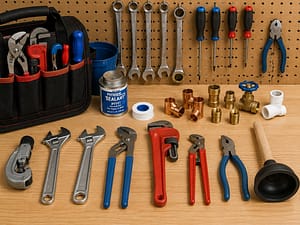
Recommended Tools & Plumbing Guide
As a plumber with over 20 years of experience, I’ve seen how the right tools can make the difference between a quick fix and major damage. I’ve put together a list of trusted plumbing tools and leak detection products that homeowners can use to catch problems early and protect their homes.
👉 Browse my recommended tools and products here
📘 Get my practical plumbing guide:
https://www.amazon.com/dp/B0F9ZZJCJG
— Ainsworth Dickenson
Your Go-To Plumbing Expert