Disclosure: As an Amazon Associate, I may earn from qualifying purchases.
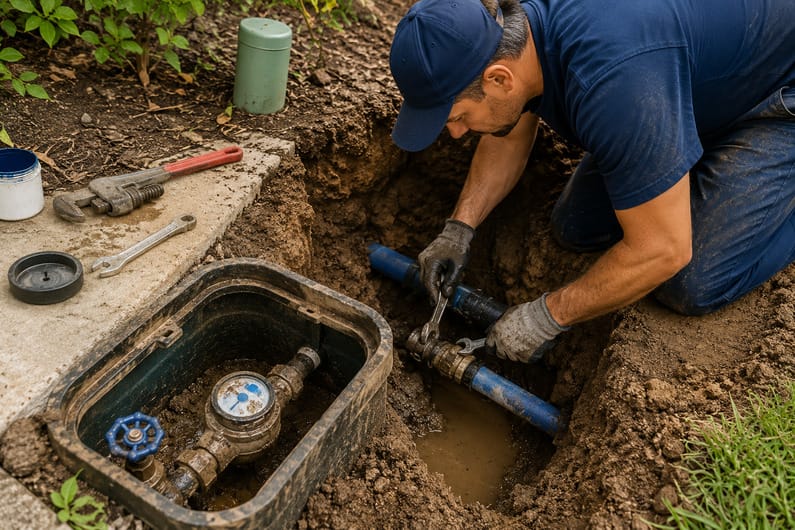
A wet patch in the yard, a sudden drop in water pressure, or a water bill that jumps for no clear reason usually points to one thing – trouble in the line that brings water into your home. This water line repair guide is built for homeowners and property managers who want to act quickly, limit damage, and make smart repair decisions without guessing.
Water line problems are expensive to ignore, not just when they are severe. A small underground leak can soften soil, damage landscaping, waste a surprising amount of water, and in some cases affect your foundation or driveway. The good news is that not every repair requires a full excavation, and not every symptom means the entire line has failed.
What a water line repair guide should help you figure out first
Before you think about tools or repair methods, you need to answer two questions. Is the problem actually in the main water line, and if it is, how urgent is it?
A main water line issue often shows up as lower pressure across the whole property, not just at one faucet. You may hear water running when everything is turned off. In some homes, you will see muddy spots, pooling water, or sections of grass that stay greener than the rest. If the leak is under concrete or near the meter, the signs can be less obvious, which is why checking the water meter is one of the most useful first steps.
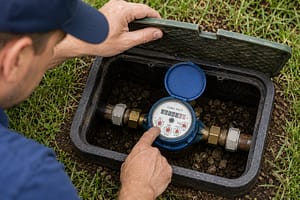
Turn off every fixture and appliance that uses water. Then look at the meter. If the leak indicator is moving or the meter count is changing, water is flowing somewhere. If you have already ruled out toilets, faucets, and irrigation, the service line becomes a strong suspect.
Urgency depends on location and severity. A small leak with stable pressure is different from a split line that is washing out soil and leaving you with almost no water. If the pipe runs near electrical systems, under a slab, or beneath a driveway, the risk level goes up fast.
Common signs your main water line needs repair
Some symptoms are straightforward, and some are easy to misread. That is where homeowners lose time and money.
Low water pressure throughout the house is a classic warning sign, especially if it starts suddenly. Discolored water can also point to a damaged or aging line, though it can also come from interior piping. An unexplained increase in your water bill matters more when it happens alongside soggy ground, foundation moisture, or the sound of running water.
Another sign people miss is a pressure drop that gets worse at certain times of day. That does not always mean a supply issue from the utility. Sometimes a damaged line opens up more under pressure changes, which makes the problem seem inconsistent.
If you are on a property with older galvanized or polybutylene piping, the age of the system matters. Material failure is not rare in older homes, and patch repairs may only buy time.
How to inspect the problem before digging
The fastest repair is not always the smartest repair. A little diagnosis up front can save a lot of unnecessary digging.
Start with the meter test, then isolate indoor fixtures as much as possible. Shut off the house valve if you can. If the meter still moves after the house is isolated, the leak is likely between the meter and the building. That narrows the problem to the underground supply line.
Walk the line path from the meter to the home. Look for soft soil, depressions, water surfacing, or concrete that has shifted. In dry weather, a leak zone often stands out clearly. In rainy conditions, visual clues are less reliable, so pressure testing or professional leak detection becomes more valuable.
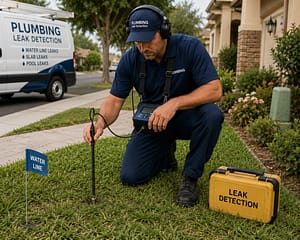
This is also the point where caution matters. Digging blindly can make a manageable repair worse. Water lines may share trenches or run close to power, gas, drainage, or communication lines. If you do not know the route, do not assume.
Water line repair methods and when each one makes sense
Not every damaged line gets treated the same way. The right fix depends on pipe material, leak location, accessibility, age, and whether you need a temporary or long-term solution.
Spot repair
A spot repair works when the damage is isolated, and the rest of the pipe is still in good condition. That usually means exposing the damaged section, cutting it out, and installing a new section with approved fittings.
This makes sense for a single puncture, a localized crack, or accidental damage during other work. It makes less sense when the line is heavily corroded, brittle, or already patched before. If one area failed because the pipe is simply worn out, another weak point may not be far behind.
Full water line replacement
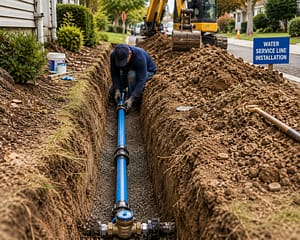
Replacement is often the better investment when the line is old, made from failure-prone material, or leaking in multiple areas. It costs more upfront, but it can save you from repeated excavation and repair bills.
If pressure problems, water quality issues, and recurring leaks are all happening together, replacement is usually the conversation to have. Homeowners sometimes hesitate here because the visible leak looks small. The real question is not how big the current leak is. It is how much confidence you have in the rest of the buried pipe.
Trenchless repair or replacement
In some situations, trenchless methods can reduce surface disruption. That matters if the line runs under hardscape, mature landscaping, or areas where excavation would be costly.
Trenchless options are useful, but they are not automatic. Pipe condition, route, soil conditions, and local access points all affect whether this method is suitable. It can be a smart choice, but it still requires proper assessment, not just a preference for less digging.
Can you repair a water line yourself?
Sometimes yes, but only within a narrow lane of situations.
If you have a shallow, clearly exposed exterior pipe on private property and the damage is minor, a skilled DIYer may be able to make a legal and durable repair. That usually means knowing the pipe material, using the correct fittings, shutting the system down safely, and pressure testing the repair afterward.
What gets homeowners in trouble is underestimating the code side, the permitting side, and the risk of a bad connection underground. A repair that looks fine at first can fail under pressure or leak slowly for months. On a main line, that is not a cosmetic mistake. It can damage structures and lead to a much larger bill later.
In most underground mainline situations, calling a professional is the safer move. If the leak is near the meter, under a slab, under concrete, or on a commercial property, it is usually not worth experimenting.
When to call a plumber right away
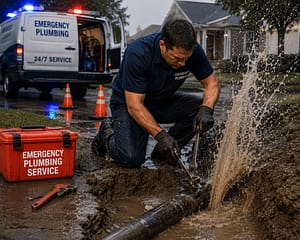
This part of any water line repair guide matters most because timing changes outcomes.
Call a plumber immediately if you have little to no water pressure, visible ground washout, water entering the building, or a leak under concrete. The same goes for any case involving uncertain pipe routing, suspected line collapse, or signs that the leak has been active long enough to affect soil stability.
You should also bring in a pro if you cannot confidently identify the source. Chasing the wrong problem wastes money. A proper diagnosis can tell you whether you are dealing with a water service line, an interior plumbing issue, a pressure regulator problem, or even a utility-side concern.
For homeowners in Sint Maarten, Ainstheplumber handles leak detection, water line repairs, and emergency plumbing with a field-tested approach that helps prevent costly second repairs.
How to reduce damage while waiting for repair
If the leak is severe, shut off the main water supply. If the issue is on the line between the meter and the house, you may need the curb stop or utility-side shutoff, depending on the property setup. If you are not sure how to do that safely, do not force it.
Keep people away from soft ground or washed-out areas. Move vehicles off any surface that may be undermined. If water is reaching the building, protect nearby materials and monitor for further seepage.
Take pictures of visible damage and meter readings. That helps with repair planning and may help if you need documentation for insurance or property records.
How to prevent the next water line repair
Some water line failures are age-related and cannot be avoided forever, but much of the damage worsens because warning signs were missed. Watch your water bill. Pay attention to pressure changes that affect the whole property. Do not ignore saturated patches of ground, especially during dry weather.
If your property has older piping and you have already had one underground leak, start thinking beyond the immediate patch. A proactive replacement plan is often cheaper than repeated emergencies. It is not always the answer, but it is worth discussing before the next failure chooses the timing for you.
A good repair is not just about stopping today’s leak. It is about knowing whether the line you leave in the ground is one you can still trust tomorrow.
Recommended Tools & Plumbing Guide
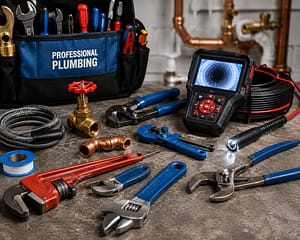
As a plumber with over 20 years of experience, I’ve seen how the right tools can make the difference between a quick fix and major damage. I’ve put together a list of trusted plumbing tools and leak detection products that homeowners can use to catch problems early and protect their homes.
👉 Browse my recommended tools and products here
📘 Get my practical plumbing guide:
https://www.amazon.com/dp/B0F9ZZJCJG
— Ainsworth Dickenson
Your Go-To Plumbing Expert