A toilet that keeps rising after a flush gives you only a few seconds to act. The toilet overflow problems every homeowner should understand are not just about a messy floor. They can signal a simple clog, a failed fill valve, a blocked drain line, or a sewer issue that needs professional attention. Knowing the difference can protect your flooring, walls, and wallet.
The first goal is never to diagnose the whole plumbing system while water is climbing toward the rim. Stop the water, contain the mess, and then look for the cause.
What to Do the Moment a Toilet Starts Overflowing
Do not flush a second time. A repeat flush is one of the fastest ways to turn a small backup into water damage.
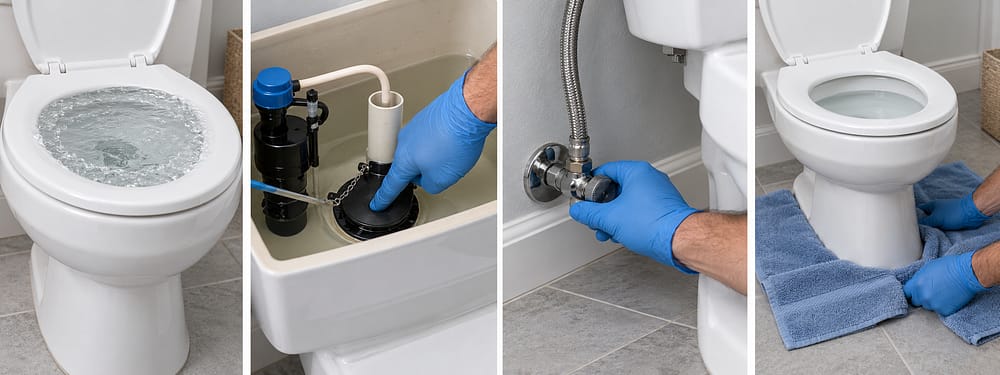
First, remove the tank lid and push the rubber flapper down over the flush valve opening at the bottom of the tank. This stops tank water from entering the bowl. If the bowl is still filling, turn the shutoff valve behind or beside the toilet clockwise. The valve may be close to the floor, usually where the supply line comes through the wall.
If the shutoff valve is stuck, do not force it hard enough to break the pipe or valve. Lift the float inside the tank to stop the fill valve temporarily, then call for help if necessary. An old shutoff valve can fail when it has not been operated for years.
Once the water has stopped, use towels around the base of the toilet and remove standing water safely. Wear gloves, keep children and pets away, and disinfect any surfaces the water touched. Water from an overflowing toilet is treated as contaminated, especially if it came from the bowl or a drain backup.
Toilet Overflow Problems Every Homeowner Should Recognize
Not every overflow has the same source. The details matter: whether the bowl rose during a flush, whether the tank ran continuously, and whether other fixtures are draining normally.
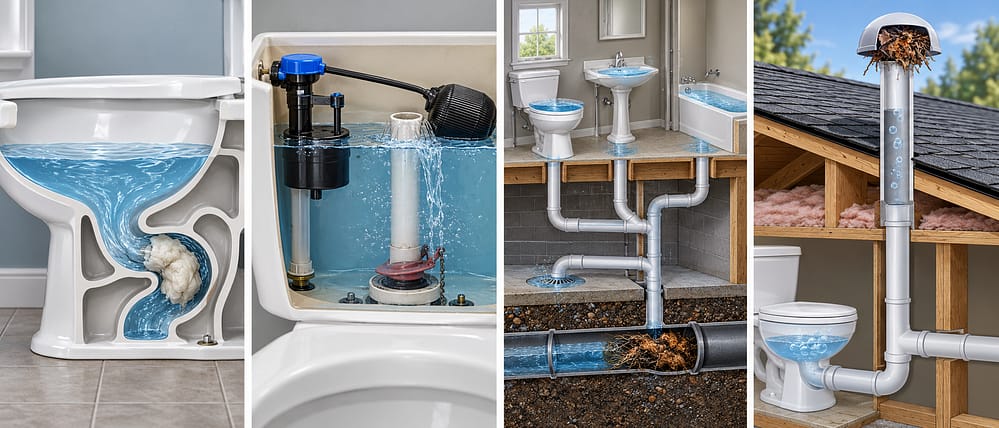
A clog in the toilet trap or bowl outlet
This is the most common situation. The toilet flushes, the bowl water rises, and it drains slowly or not at all. Too much toilet paper, wipes, paper towels, hygiene products, toys, or other foreign objects can block the built-in trapway inside the toilet.
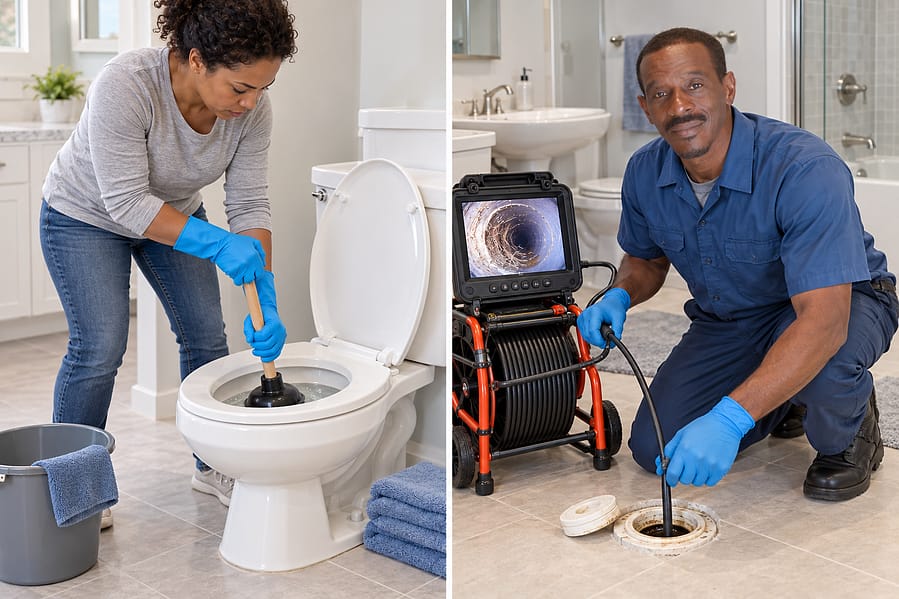
A flange-style toilet plunger is the right first tool. It has an extended rubber sleeve that seals inside the toilet outlet. Make sure there is enough water in the bowl to cover the plunger cup, create a tight seal, and use firm, controlled strokes for 15 to 20 seconds. Then wait and see whether the water level drops before attempting another flush.
A plunger works for many soft clogs, but it will not reliably remove a solid object lodged in the trapway. If plunging does not restore normal flow, use a toilet auger, not a standard drain snake. A toilet auger is designed to pass through the bowl without scratching porcelain and can reach deeper into the trap.
A tank that overfills the bowl
Sometimes the bowl is not clogged at all. Water may be running into the overflow tube inside the tank because the fill valve is faulty or the float is set too high. That usually causes a constantly running toilet, but in some cases it can contribute to poor flushing or water spilling where it should not.
Take the tank lid off and watch what happens after a flush. The water should stop about an inch below the top of the overflow tube. If it continues rising and spilling into that tube, the fill valve needs adjustment or replacement. This is generally a manageable repair for a homeowner, provided the shutoff valve works and the tank components are accessible.
Do not confuse tank overflow with bowl overflow. A tank overflow sends water through the overflow tube and into the bowl. A bowl overflow happens when water cannot leave through the toilet drain fast enough.
A blocked branch drain or main sewer line
If the toilet overflows and nearby fixtures also act up, the problem may be beyond the toilet. Watch for water backing up into a tub or shower when the toilet flushes, gurgling drains, or slow drainage in more than one bathroom. These are common signs of a branch line blockage or a larger sewer-line issue.
A main drain blockage can be caused by roots, grease buildup, pipe scale, a damaged line, or material caught in the piping. In older homes, the condition of the drain pipe itself may be part of the problem. Repeatedly plunging one toilet will not solve a blockage farther down the line.
Stop using water in the home until the line is checked. Running a washing machine, taking a shower, or flushing another toilet can send more wastewater toward a blocked pipe and force it out at the lowest fixture. This is a situation where professional drain clearing and, in many cases, camera inspection provide the real answer.
A blocked plumbing vent
Your drain system needs air to move wastewater properly. A blocked vent can create slow flushing, bubbling, gurgling, or a bowl that loses or gains water unexpectedly. Leaves, animal nests, and debris can obstruct roof vents.
Vent problems are less common than ordinary clogs, and roof work carries real safety risks. If you suspect a vent blockage, avoid climbing onto the roof unless you have the right access, safety equipment, and experience. A plumbing professional can test the system and rule out a drain blockage first.
When a Plunger Is Enough and When It Is Not
A plunger is appropriate when one toilet has a fresh, obvious clog and every other drain in the home is working normally. It is not the answer when sewage is backing up, the toilet repeatedly clogs without a clear reason, or the bowl fills after every flush despite careful plunging.
Chemical drain cleaners should stay out of toilets. They can damage seals and piping, create hazardous splashes, and make later repairs more dangerous for anyone working on the fixture. They also rarely clear the kind of obstruction that causes a toilet to overflow.
Be careful with repeated flushing after a clog appears to clear. Let the bowl return to its normal level, then test with a partial flush if your toilet allows it. Watch the water level closely. A toilet can appear clear only to back up again when a larger volume of water moves through the line.
Preventing the Most Common Toilet Overflows
Good habits prevent a surprising number of emergency calls. Toilets are designed for human waste and reasonable amounts of toilet paper. Even products labeled flushable can create trouble in real drain systems, particularly in homes with older pipes, low-flow toilets, or long drain runs.
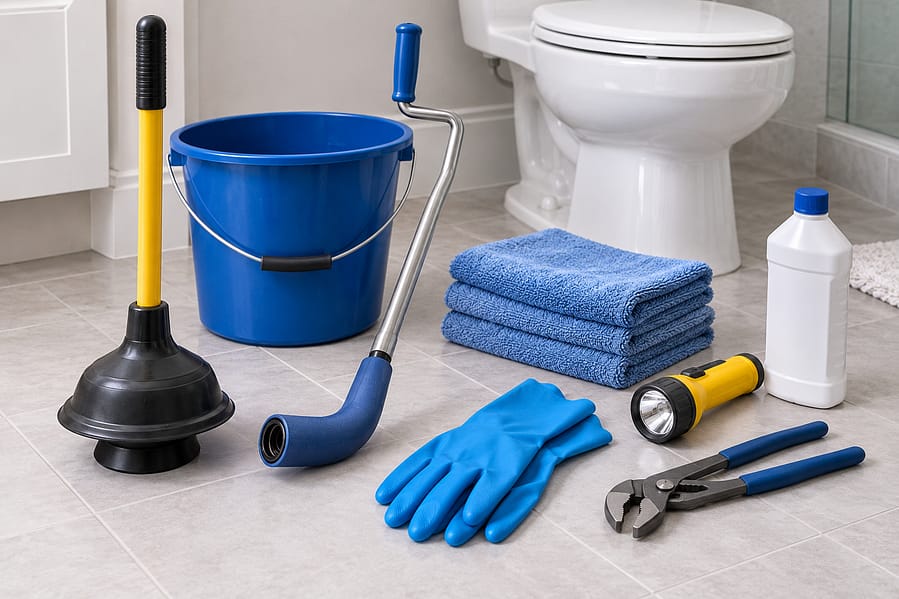
Keep a flange plunger and a toilet auger where they are easy to reach. A basic overflow response is much less stressful when you are not searching for tools while water is spreading across the floor. Property managers should also make sure tenants know where the toilet shutoff valve is and how to use it.
Pay attention to early warnings. A toilet that needs frequent plunging, flushes weakly, gurgles, or drains slowly is asking for attention before it becomes an overflow. In areas with hard water, mineral buildup can affect flushing performance over time. In homes with mature trees, recurring drain backups may point to root intrusion rather than a toilet-level clog.
For homes that sit vacant part of the year, operate fixture shutoff valves periodically and check toilets before leaving or after returning. A supply line leak or failed fill valve can waste a large amount of water even when no one is home.
When to Call a Plumber Right Away
Call for professional help when wastewater has backed up from more than one fixture, water is appearing around the toilet base without an obvious bowl overflow, or the toilet keeps overflowing after proper plunging. You should also call if the shutoff valve will not close, the toilet is loose on the floor, or there is evidence of a cracked bowl or tank.
A loose toilet can damage the wax seal beneath it and allow water or sewer gas to escape around the base. That repair is not always complicated, but it should not be ignored. The longer moisture reaches the subfloor, the more likely you are to face damaged flooring or structural repairs.
At Ainstheplumber, the advice is simple: handle the safe first steps confidently, but do not keep experimenting once the signs point to a drain-line or sewer problem. The fastest repair is often the one that identifies the real blockage before more water enters the system.
A toilet overflow is unpleasant, but it does not have to become a major disaster. Keep the shutoff valve accessible, use the right tool for a simple clog, and treat repeat backups as useful evidence that the problem may be deeper than the bowl.
Recommended Tools & Plumbing Guide
As a professional plumber with over 20 years of experience, I have seen how the right tools, reliable products, and regular maintenance can help homeowners identify plumbing problems early and prevent unnecessary damage.
Disclosure: This article contains affiliate links. If you purchase through one of these links, I may earn a commission at no additional cost to you. As an Amazon Associate, I earn from qualifying purchases.
⭐ Enjoy convenient shopping and delivery options—explore Amazon Prime benefits and eligibility. Availability and benefits may vary by location.
👉 Browse my recommended plumbing tools and products
🔧 Visit my Plumbing Solutions Store
Get My Practical Plumbing Guide
Build your plumbing knowledge and approach common household problems with greater confidence using Quick Fix DIY Plumbing Solutions.
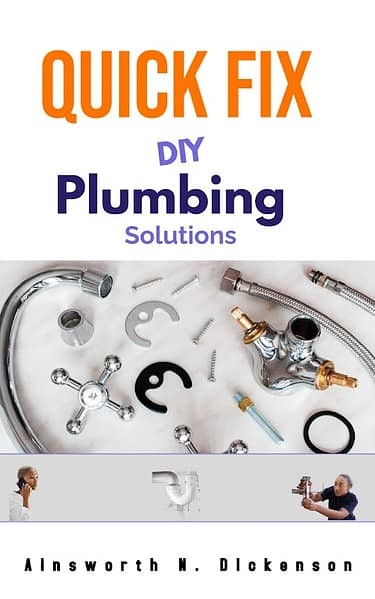
Kindle Unlimited members may also read the eBook through their membership while it remains enrolled in KDP Select.
Ainsworth Dickenson
Professional Plumber & Author
AinsThePlumber