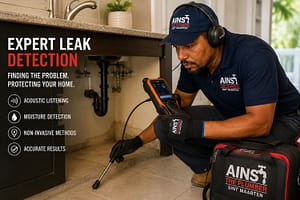
A water bill jumps for no clear reason. A wall starts smelling musty. The tile feels warm in one corner, or you hear water moving when all the faucets are off. That is usually how leak detection Sint Maarten calls begin – not with a burst pipe, but with a small clue that something is off.
On an island property, waiting is expensive. Salt air, concrete construction, high humidity, and hard-working plumbing systems can turn a minor leak into stained walls, mold growth, slab damage, or wasted water fast. The good news is that finding a leak today is far more precise than cutting blindly into floors or opening every wall just to guess.
Why leak detection in Sint Maarten needs a careful approach
Not every leak shows itself the same way. In one house, the problem is a pinhole in a pressurized water line. In another, it is a toilet that runs all day quietly. In a commercial building, it may be a hidden line feeding several units, where the first sign is simply an abnormal meter reading.
Sint Maarten properties add a few extra complications. Many buildings use concrete block walls and slab construction, which can hide piping well. Outdoor plumbing also takes more exposure to heat, weather, and corrosion. In rental units and vacation properties, a leak can stay unnoticed longer because no one is on site every day. That changes the job. Good leak detection is not just about finding water. It is about narrowing down the source without causing unnecessary damage.

That is where experience matters. The right technician does not start by opening walls. He starts by reading the pattern – pressure loss, meter movement, fixture condition, moisture location, and how the plumbing system is laid out.
Common signs you may need leak detection Sint Maarten service
Some warning signs are obvious, but many are easy to dismiss until the problem grows. If you notice one of these, it is worth checking sooner rather than later.
A higher-than-normal water bill is one of the most common signs. If usage has not changed but the bill has, water is going somewhere. The same goes for a water meter that keeps moving when all fixtures and appliances are shut off.
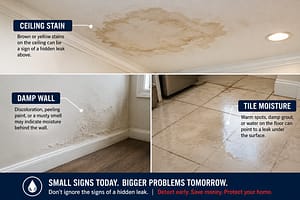
Stains on ceilings or walls usually point to an active or past leak, but stains alone do not indicate whether the source is above, behind, or nearby. Damp smells, peeling paint, bubbling drywall, warped cabinetry, and mildew around baseboards are also common clues.
Some leaks appear as sound rather than damage. You may hear a faint hiss behind a wall or the sound of water passing through a pipe when the property is quiet. Hot spots on the floor can point to a hot water line leak under a slab. Low water pressure can also be part of the picture, although pressure loss has several possible causes and should not be judged in isolation.
Outside, soft ground, unexplained wet patches, or areas of unusual plant growth may suggest an underground line issue. On island properties, those outdoor leaks can waste a lot of water before anyone notices.
How professional leak detection works
A proper leak detection visit is part inspection, part testing, and part system knowledge. It is not one magic tool. The tool matters, but what matters more is knowing when to use it and how to interpret what it shows.
The process often starts with basic isolation. Water is turned off to certain sections, fixtures are checked, and the meter is monitored. This helps answer the first big question – is the leak on the pressurized supply side, a fixture, a drain line, or irrigation or exterior piping?
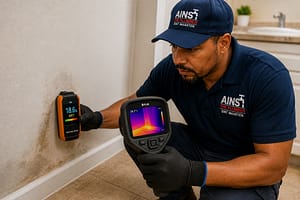
From there, non-invasive methods come into play. Acoustic listening equipment can help identify the sound pattern of pressurized water escaping from a pipe. Moisture meters can confirm whether building materials are actively wet. Thermal imaging may help reveal temperature differences caused by hidden moisture or hot water leaks. Pressure testing can also help narrow down which line is failing.
Each method has limits. Acoustic detection works best on pressurized leaks and quieter environments. Thermal cameras can support a diagnosis, but they do not replace plumbing testing. Moisture meters show where moisture is present, not always where it started. This is why leak detection is a skill, not just equipment.
In experienced hands, those tools reduce guesswork and limit demolition. Instead of opening three rooms to find one damaged fitting, the repair can often be targeted to the area that actually needs attention.
What homeowners can check before calling
You do not need to tear into anything, but a few simple checks can help you catch a problem early.
Start with the water meter. Turn off faucets, ice makers, washing machines, and any other appliances that use water. Then look at the meter. If it continues moving, there is a good chance water is escaping somewhere in the system.
Next, check toilets. A running toilet can waste a surprising amount of water and is often mistaken for a hidden pipe leak. Listen for refilling, inspect the bowl for constant movement, and test the flapper if needed.
Look under sinks, around water heaters, behind washing machines, and at exposed shutoff valves. Pay attention to corrosion, green or white mineral buildup, cabinet swelling, and small drips around supply connections. Outside, inspect hose bibs and visible piping for leaks or damp ground.
These checks are useful, but there is a clear line between smart observation and risky DIY. If the leak is hidden, under concrete, behind finished walls, or tied to multiple units, guessing can cost more than the service call.
When a DIY fix makes sense and when it does not
This is where many property owners lose money. They fix the symptom and miss the source.

If the issue is a loose supply hose, a worn toilet flapper, or a dripping angle stop you can clearly see, a simple repair may be reasonable if you are comfortable shutting off water and using the right parts. Small visible fixture leaks are often manageable.
But hidden leaks are different. If water appears in one place while the source is elsewhere, opening finishes without a plan can result in additional repair costs. The same goes for slab leaks, underground lines, apartment buildings, and recurring moisture problems. If pressure is dropping, the meter is moving, and nothing visible is leaking, that is the point to bring in a professional.
A good rule is simple: if you can confirm the source with confidence, a minor repair may be worth handling yourself. If you are still diagnosing after basic checks, stop there. Diagnosis is the real job.
Why fast action matters more on island properties
Water damage rarely stays small. In warm, humid conditions, damp materials can quickly develop odors and mold. Wood swells, paint fails, drywall softens, and electrical concerns can follow if moisture spreads far enough.
There is also the cost of wasted water. A small pressure-side leak can run constantly and raise bills long before visible damage appears. In rental properties and commercial spaces, the leak may also affect tenant satisfaction, scheduling, and operations.
The earlier the leak is identified, the more options you usually have. A targeted repair today is easier than a full restoration project next month.
Choosing the right leak detection service in Sint Maarten
Not every plumber approaches detection the same way. Some are strong at repairs but weak at efficiently tracing hidden leaks. Others rely too heavily on a single device rather than properly testing the system.
What you want is a plumber who explains the likely causes, tests methodically, and avoids unnecessary cutting. Ask whether the service includes meter testing, pressure checks, and non-invasive detection methods when appropriate. You also want clear communication about what is confirmed, what is suspected, and what repair path makes the most sense.
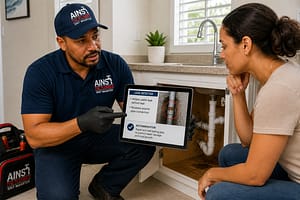
For homeowners and property managers, the best service call is not the one with the most impressive gadget. It is the one that leads to a correct diagnosis and a repair that holds up.
Ainstheplumber approaches leak detection that way – practical first, invasive only when needed, and always focused on preventing bigger damage and wasted cost.
After the leak is found
Finding the leak is only half the job. The repair should match the system’s condition, not just patch the opening where water escaped.
Sometimes a localized repair is the right answer. Other times, the real issue is pipe age, corrosion, poor previous workmanship, or pressure that is too high for the system. If one section has failed, nearby sections may not be far behind. That does not always mean repiping, but it does mean you should ask whether this is an isolated problem or a sign of broader wear.
It also helps to document what was found. For landlords, commercial operators, and homeowners managing future maintenance, knowing the leak location, pipe material, and repair date makes future decisions easier.
If you suspect a hidden leak, trust the signs early. A quiet hiss, a damp smell, or a moving meter is often the plumbing system telling you to act before the damage starts showing up everywhere else.
Recommended Tools & Plumbing Guide

As a plumber with over 20 years of experience, I’ve seen how the right tools can make the difference between a quick fix and major damage. I’ve put together a list of trusted plumbing tools and leak detection products that homeowners can use to catch problems early and protect their homes.
👉 Browse my recommended tools and products here
📘 Get my practical plumbing guide:
https://www.amazon.com/dp/B0F9ZZJCJG
— Ainsworth Dickenson
Your Go-To Plumbing Expert