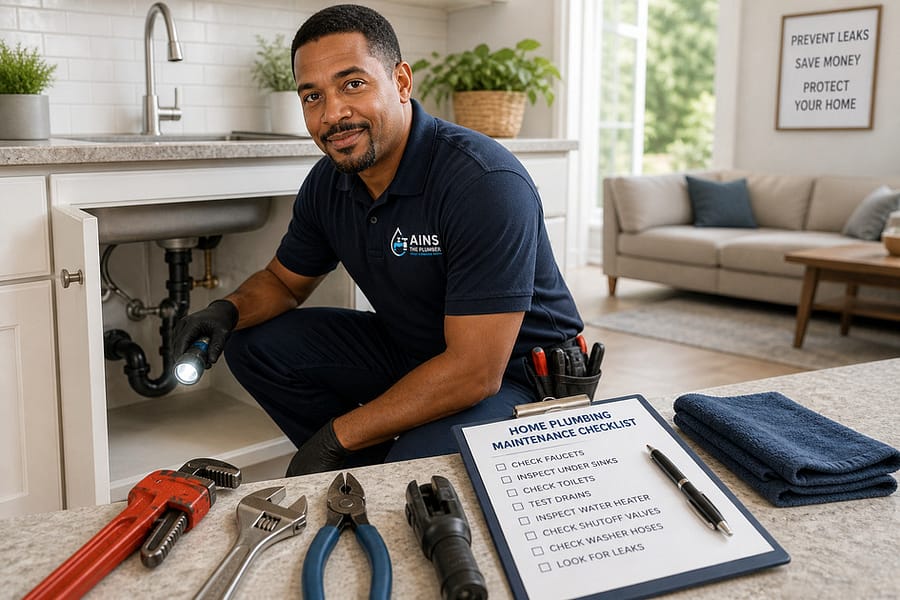
A small drip under a sink can stay hidden for months, then show up as warped cabinet wood, mold, and a repair bill that should have been avoided. That is why a home plumbing maintenance checklist matters. Plumbing problems rarely start as emergencies. Most start quietly, with slow drains, worn supply lines, loose shutoff valves, or a toilet that keeps running a little longer than it should.
The good news is that routine plumbing maintenance does not need to be complicated. You do not need professional tools for every check, and you do not need to take fixtures apart just to stay ahead of trouble. What you do need is a simple system that helps you notice changes before they become water damage, high utility bills, or a weekend emergency.
A practical home plumbing maintenance checklist
Think of your plumbing system in zones, not as one giant mystery hidden behind walls. You have fixtures you use every day, exposed pipes you can inspect, drainage points that give early warning signs, and a few shutoff and water heater components that deserve regular attention. When you check plumbing this way, it becomes manageable.
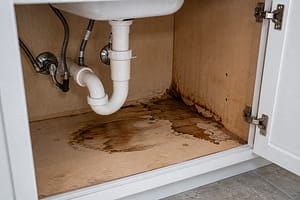
Start with the places that fail most often. Look under kitchen and bathroom sinks for moisture, staining, corrosion, or swelling on the cabinet floor. Run your hand around drain connections and supply lines. Even a slight damp spot matters. A connection does not have to be dripping constantly to be a problem.
Next, check every faucet in the house. Look for drips at the spout, leaks around the base, and handles that feel loose or overly stiff. A faucet that is harder to turn than usual may indicate that a cartridge is wearing out or that mineral buildup is starting to interfere with its operation. That is not always urgent, but it is worth addressing before the part fails completely.
Toilets deserve more attention than most homeowners give them. Listen after flushing. If the fill valve keeps running or cycles on by itself, you may have a silent leak. Drop a little food coloring into the tank, then wait about 10 to 15 minutes before flushing. If color appears in the bowl, the flapper is leaking. That one small part can waste a surprising amount of water over time.
Move on to drains. Slow drainage in one fixture can point to a local clog. Slow drainage in multiple fixtures may signal a larger issue in the branch line or main drain. Pay attention to gurgling sounds, odors, or bubbling in nearby fixtures. Those symptoms should not be ignored, especially if they worsen.
What to check each month
Monthly checks are quick, and that is exactly why they work. If a task takes only a few minutes, you are more likely to keep doing it.
Walk through the kitchen, bathrooms, laundry area, and utility space. Look for active leaks, dampness, rust marks, mold spots, and soft surfaces around plumbing penetrations. Check exposed water lines behind the washer if accessible. Washing machine hoses are easy to forget, but when they fail, they can release a lot of water quickly.

Run water at every sink and tub long enough to watch how it drains. If a fixture is draining more slowly than it did last month, that gives you time to clear the buildup before it turns into a full blockage. In bathroom sinks and tubs, hair is the usual suspect. In kitchen sinks, grease and food residue are more common.
Test shutoff valves under sinks and behind toilets carefully. Do not force them. The goal is to confirm they still turn, not to break an old valve that has not moved in years. If a valve is seized or starts leaking around the stem, add it to your repair list. A shutoff valve only matters when you need it fast.
Seasonal plumbing maintenance that pays off

Some plumbing tasks make more sense seasonally because the weather, occupancy, and water use change throughout the year.
In colder parts of the US, fall is the time to protect exterior hose bibs, exposed pipes, and irrigation connections from freezing temperatures. Disconnect garden hoses. If your home has vulnerable piping in crawl spaces, garages, or exterior walls, inspect insulation before the cold sets in. Frozen pipes are not just a winter nuisance. They can split and cause major water damage when they thaw.
In warmer or coastal climates, seasonal maintenance looks a little different. Focus more on corrosion, exposure to outdoor plumbing, and high humidity around fixtures and water lines. Salt air and moisture can shorten the life of metal parts, especially on exterior hose connections, water heater fittings, and exposed supply valves.
Spring is a good time to look for leaks that may have developed during the colder months, inspect outdoor faucets, and ensure drainage around the home is not directing water toward the foundation. That last part is not indoor plumbing, but it affects your plumbing environment. Excess moisture around the structure can lead to hidden problems over time.
Water heater checks homeowners should not skip
Your water heater works every day, and when it starts to fail, the warning signs often appear early. Listen for popping or rumbling, especially on tank-style units. That can mean sediment buildup. Sediment reduces efficiency and can shorten the tank’s life.
Look around the base for rust stains, active moisture, or corrosion on fittings. Check the temperature setting too. Many homes are fine at 120 degrees Fahrenheit. Higher settings can increase scald risk and energy use. Lowering the temperature can help, but only if it still meets your household’s needs.
Flushing a water heater can help in many cases, but it depends on the unit’s age, condition, and maintenance history. A newer tank with regular service usually responds well. An older tank that has never been flushed can sometimes start leaking after disturbance. If the heater is heavily corroded or showing signs of failure, forcing maintenance may create a bigger problem than it solves.
Warning signs that change the checklist into a repair call
A checklist helps with prevention, but it is not a substitute for judgment. If you notice discolored water, sewer odors that do not go away, repeated drain backups, banging pipes, sudden pressure drops, or unexplained increases in the water bill, you may be beyond basic maintenance.
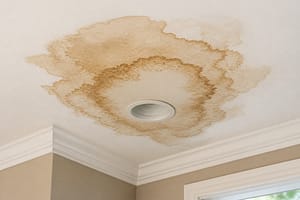
The same goes for water stains on ceilings or walls, even if you cannot see an active leak. Hidden plumbing leaks often travel before they show themselves. By the time the stain appears, the leak may have been active for a while.
This is where experience matters. Homeowners can handle inspection, basic cleaning, and simple part replacement in many situations. But if a problem involves pipe replacement, leak detection behind finished surfaces, water heater safety components, or recurring drain issues, calling a professional is usually the cheaper long-term move. Ainstheplumber teaches homeowners to be confident, not reckless, and that distinction saves money.
Simple tools that make maintenance easier
You do not need a truck full of equipment to stay ahead of plumbing problems. A flashlight, adjustable wrench, bucket, towels, slip-joint pliers, and a small mirror for tight spaces will cover most inspection tasks. Add food coloring for toilet leak testing and a phone camera for documenting changes over time.
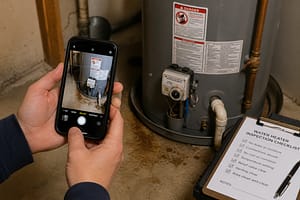
That last one is underrated. Take a quick photo of supply lines, shutoff valves, and the area around the water heater during a normal inspection. When something changes later, you have a reference point.
How often should you use a home plumbing maintenance checklist?
For most homes, a monthly visual check and a deeper seasonal review are enough. Older homes, rental units, homes with hard water, and properties that sit vacant for stretches need more attention. So do houses with a history of leaks or drainage issues.
If you manage multiple units or a small commercial property, consistency matters more than intensity. A short repeatable checklist used on schedule will catch more problems than a long checklist used once a year and forgotten.
The best plumbing maintenance habit is not technical. It is simply learning what normal looks and sounds like in your property. When you know how your fixtures drain, how long your toilet fills, and what your water heater normally sounds like, you spot trouble earlier. That is how you avoid expensive surprises and keep small plumbing issues from taking over your week.
Recommended Tools & Plumbing Guide
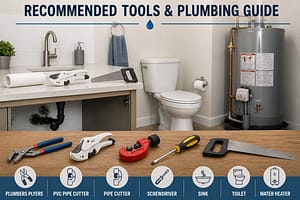
As a plumber with over 20 years of experience, I’ve seen how the right tools can make the difference between a quick fix and major damage. I’ve put together a list of trusted plumbing tools and leak detection products that homeowners can use to catch problems early and protect their homes.
👉 Browse my recommended tools and products here
📘 Get my practical plumbing guide:
https://www.amazon.com/dp/B0F9ZZJCJG
— Ainsworth Dickenson
Your Go-To Plumbing Expert