A homeowner’s guide explains why a bathroom sink smells like sewage and how to identify drain odors.
Additionally, it covers P-trap problems and safe solutions.
Have you ever walked into your bathroom and noticed an unpleasant odor from the sink?
Moreover, even after cleaning the basin and surrounding area, bathroom sink smells like sewage may persist.
Additionally, when the bathroom sink smells like sewage, the problem may be in the drain, P-trap, or overflow.
This points to the drain, P-trap, or overflow as the likely source.
Learn More Plumbing Tips Posts
Some causes are simple enough for homeowners to investigate safely. Others may indicate a plumbing defect requiring professional attention.
In this guide, AinsThePlumber explains the common causes, practical checks, preventive maintenance, and warning signs you should never ignore.
1. What Causes a Bathroom Sink to Smell Like Sewage?
Not every unpleasant odor in a bathroom sink smells like sewage.
Sometimes, the bathroom sink smells like sewage, but the odor can have other causes.
Sometimes the smell develops when hair, toothpaste, soap residue, and organic debris collect inside the drain. Bacteria break down these materials, creating unpleasant odors.
However, a sewage-like smell may also indicate that the water seal inside the P-trap is missing or that a plumbing connection is allowing sewer gases to escape.
Common causes include:
- A dry or improperly functioning P-trap.
- Bacteria and organic buildup inside the drain.
- A dirty bathroom sink overflow passage.
- Loose, cracked, or incorrectly installed drain connections.
- Plumbing venting or drainage problems.
Identifying the source is the first step toward finding the correct solution.
2. A Dry P-Trap Can Allow Sewer Gases Into Your Bathroom
The P-trap is the curved pipe beneath your bathroom sink.
Its important job is to retain a small amount of water after the sink has drained. This water creates a barrier that helps prevent sewer gases from entering the room through the drain.
When the sink is rarely used, the water inside the P-trap can gradually evaporate.
Without enough water in the trap, gases from the drainage system may travel through the pipe and enter the bathroom.
What You Can Do
Run water into the sink for approximately 30–60 seconds to refill the P-trap.
If the sink has been unused for an extended period, this simple action may eliminate the odor.
If the smell continues or quickly returns, the problem may involve a leak, siphoning, improper installation, or another plumbing issue.

AinsThePlumber Says
A properly installed P-trap is one of the simplest but most important protective components in your home’s drainage system.
3. Hair, Soap, and Bacteria Can Create Bad Drain Odors
Bathroom sinks collect more than water.
During everyday use, small amounts of hair, toothpaste, soap residue, skin oils, and other organic materials enter the drain.
Over time, these materials can accumulate around the pop-up stopper and along the inside of the drainpipe.
Bacteria may grow within the buildup and produce unpleasant odors.
Warning Signs
- The smell is strongest near the drain opening.
- Water drains more slowly than usual.
- The pop-up stopper has visible slime or debris.
- The odor temporarily improves after cleaning.
What You Can Do
If your sink has a removable pop-up stopper, carefully remove it according to the manufacturer’s instructions.
Clean away accumulated hair and residue using a soft brush, mild dish soap, and warm water.
Rinse the accessible drain opening and reinstall the stopper correctly.
Avoid pushing debris farther into the drain.

4. Don’t Forget the Bathroom Sink Overflow Passage
Many bathroom sinks have a small overflow opening near the upper inside wall of the basin.
This opening helps direct excess water into the drain system if the water rises too high, although it cannot be relied upon to prevent every overflow.
The overflow passage can collect soap residue, moisture, and organic debris.
Because the passage is not easily visible, homeowners may clean the sink repeatedly without realizing the odor is coming from the overflow.
Safe Cleaning Tips
Use a suitable small, flexible cleaning brush where accessible, following the sink manufacturer’s instructions.
Clean the opening gently with mild soapy water and rinse carefully.
Do not force hard objects into the passage or pour harsh chemicals into it.
If the overflow passage is heavily blocked or difficult to access, professional cleaning may be necessary.

5. Loose or Damaged Drain Connections May Allow Odors to Escape
A bathroom sink may smell like sewage even when the P-trap contains water.
One possible cause is a defective drain connection beneath the sink.
Common problems include:
- Loose slip-joint connections.
- Worn or incorrectly positioned washers.
- Cracked drain fittings.
- Improperly assembled P-traps.
- Missing or unsuitable drain components.
These defects may allow wastewater to leak or sewer gases to escape.
Simple Inspection
Open the bathroom vanity and inspect the visible plumbing.
Look for moisture, water stains, corrosion, cracked fittings, or signs that a connection has shifted.
If you notice persistent odors, leaks, or damaged components, arrange a professional inspection.
Do not overtighten plastic fittings or force old plumbing connections.

6. Plumbing Vent Problems Can Affect Drainage and Trap Seals
Your home’s drainage system needs proper venting to allow wastewater to flow and maintain suitable air pressure.
If the venting system is restricted or incorrectly installed, pressure changes may contribute to slow drainage, gurgling, or loss of water from fixture traps.
Possible warning signs include:
- Gurgling sounds after water drains.
- Unpleasant odors affecting several fixtures.
- Water levels changing unexpectedly inside traps.
- Repeated drainage problems.
These symptoms do not automatically prove that a vent is blocked. They may also result from drain obstructions or other plumbing defects.
A qualified plumber can investigate the drainage and venting system.
Important: Homeowners should not climb onto a roof or attempt to clear roof plumbing vents without appropriate training and safety equipment.

7. How to Identify Where the Smell Is Coming From
Before attempting repairs, try to narrow down the source.
Step 1 — Check whether the sink is rarely used.
If it has been unused for several days or weeks, refill the P-trap with water.
Step 2 — Inspect the drain stopper.
Look for trapped hair, soap residue, or bacterial buildup.
Step 3 — Check the overflow opening.
Determine whether the smell is stronger near the overflow than at the drain.
Step 4 — Inspect beneath the sink.
Look for leaking connections, cracked pipes, or moisture inside the cabinet.
Step 5 — Observe other fixtures.
If the shower, toilet, and other sinks also produce odors or gurgling sounds, the problem may extend beyond the bathroom sink.
Step 6 — Contact a professional when necessary.
Persistent sewer-like odors, repeated trap-seal loss, or widespread drainage problems require further investigation.
8. What Should Homeowners Avoid?
When dealing with bathroom sink odors, avoid actions that may make the situation worse.
Do not mix drain-cleaning chemicals. Combining products can release dangerous gases or cause severe chemical reactions.
Do not pour strong chemicals into the drain without understanding the problem. Chemicals may not resolve a defective trap, vent, or drain connection.
Do not ignore persistent sewage-like odors. They may indicate a plumbing defect.
Do not dismantle plumbing unless you understand how to restore the connections correctly. Incorrect assembly can create leaks and odor problems.
If you suspect a significant sewer-gas leak, move away from the affected area and arrange prompt professional assessment. Strong or unexplained odors should not be ignored.
9. How to Prevent Bathroom Sink Odors
A few simple maintenance habits can help reduce unpleasant drain smells.
- Run water periodically in rarely used bathroom sinks.
- Remove visible hair and debris from drain stoppers.
- Clean accessible drain components regularly.
- Keep the sink overflow opening free of buildup.
- Check beneath the vanity for moisture or leaking fittings.
- Address slow drainage before a complete blockage develops.
- Arrange professional assistance for recurring odors or drainage problems.
Preventive maintenance is generally easier than dealing with a major blockage or plumbing defect. Learn More on the Homeowner Resource Center Page.

10. When Should You Call a Professional Plumber?
Some bathroom sink odors can be resolved through simple cleaning or restoring water to a dry P-trap.
However, professional assistance is recommended when:
- The sewage-like smell remains after basic cleaning.
- The odor returns repeatedly.
- The P-trap loses its water seal unexpectedly.
- Several plumbing fixtures develop odors or drainage problems.
- You notice leaks, damaged drainpipes, or gurgling.
- Wastewater backs up into the sink or another fixture.
A professional plumber can inspect the trap, drain connections, and associated plumbing to determine the underlying cause.
Frequently Asked Questions
Why does my bathroom sink smell like sewage even after cleaning?
The smell may be coming from a dry P-trap, dirty overflow passage, defective drain connection, or another drainage problem rather than the visible sink surface.
Can a dry P-trap cause a sewage smell?
Yes. When the water inside a P-trap evaporates or is lost, sewer gases may pass through the drain opening.
Can I pour baking soda and vinegar down the drain?
Baking soda and vinegar may loosen some light residue, but they are not reliable solutions for established blockages, damaged P-traps, or venting defects. Mechanical removal of visible buildup is often more effective.
Why does my bathroom sink smell worse after running water?
Running water may disturb odor-producing debris inside the drain or overflow. Persistent odors after running water can also indicate a drainage or venting issue that needs investigation.
Is a sewage smell from a bathroom sink dangerous?
A persistent sewer-gas odor may indicate a plumbing defect and should be investigated. Sewer gases can contain irritating or hazardous substances, depending on their concentration. Do not assume that every drain smell is harmless.
Final Thoughts: Don’t Ignore a Bathroom Sink That Smells Like Sewage
When your bathroom sink smells like sewage, the solution begins with identifying where the odor originates.
Sometimes the problem is as simple as a dry P-trap or dirty drain stopper. In other cases, damaged fittings, trap-seal loss, or drainage-system problems may require professional attention.
Understanding these differences helps homeowners make safer decisions, avoid unnecessary repairs, and protect their plumbing systems.
AinsThePlumber Says
Your bathroom sink should carry wastewater away—not allow unpleasant odors into your home. Keep the drain clean, protect the P-trap’s water seal, and investigate persistent smells before they become bigger problems.
Need Professional Plumbing Assistance in Sint Maarten?
Visit AinsThePlumber for plumbing information, homeowner resources, and professional plumbing services.
Recommended Tools & Plumbing Guide
As a professional plumber with over 20 years of experience, I have seen how the right tools, reliable products, and regular maintenance can help homeowners identify plumbing problems early and prevent unnecessary damage.
Disclosure: This article contains affiliate links. If you purchase through one of these links, I may earn a commission at no additional cost to you. As an Amazon Associate, I earn from qualifying purchases.
⭐ Enjoy convenient shopping and delivery options—explore Amazon Prime benefits and eligibility. Availability and benefits may vary by location.
👉 Browse my recommended plumbing tools and products
🔧 Visit my Plumbing Solutions Store
Get My Practical Plumbing Guide
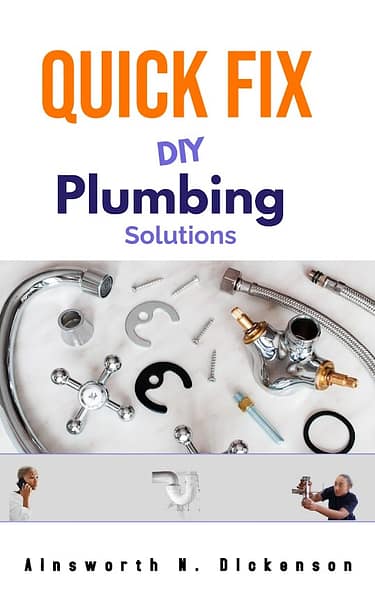
Build your plumbing knowledge and approach common household problems with greater confidence using Quick Fix DIY Plumbing Solutions.
Kindle Unlimited members may also read the eBook through their membership while it remains enrolled in KDP Select.
Ainsworth Dickenson
Professional Plumber & Author
AinsThePlumber