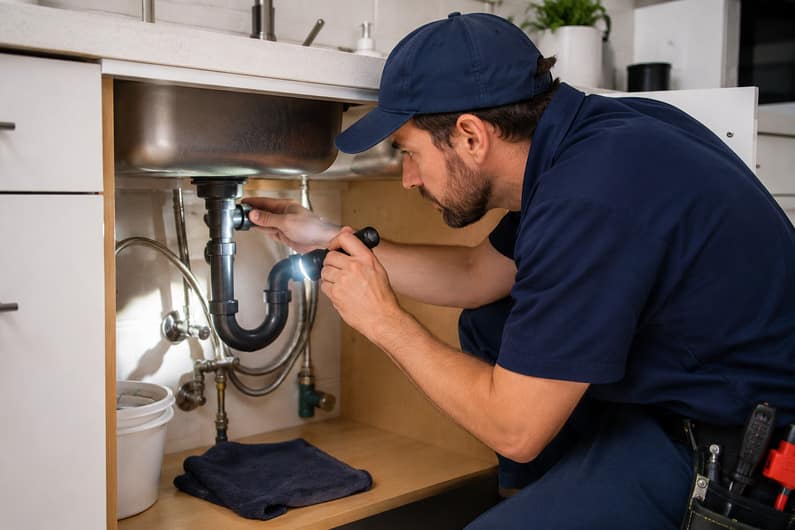
That slow drip under a sink or the toilet that keeps running after every flush rarely stays small for long. The best apartment plumbing maintenance tips are the ones that catch trouble early, reduce water waste, and help you avoid the kind of damage that spreads from one unit to the next.
Apartment plumbing is different from plumbing in a detached home. You may have less access to pipes, shared drain lines, older shutoff valves, and rules about what you can repair yourself. That means good maintenance is less about taking everything apart and more about knowing what to watch, what to test, and when to stop before a minor issue turns expensive.
Disclosure: As an Amazon Associate, I may earn from qualifying purchases.
Why apartment plumbing needs a different approach
In an apartment, one plumbing problem can affect more than one household. A backed-up line might start in your kitchen but show up in a lower unit. A hidden supply leak inside a wall may not be visible until paint bubbles, flooring swells, or a neighbor complains about water spots on the ceiling.
That is why apartment maintenance should focus on prevention, access points, and early problem reporting. If you are a renter, your role may be limited to basic upkeep and quick reporting. If you are an owner or property manager, you may also be responsible for fixtures, shutoffs, and scheduling repairs before damage spreads.
Apartment plumbing maintenance tips for kitchens and bathrooms
Start with the fixtures you use every day. Kitchens and bathrooms give you the earliest clues when something is starting to fail.
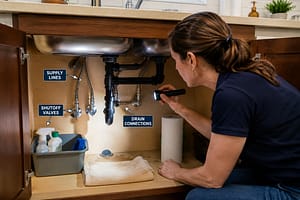
Check under sinks once a month
Open the cabinet and use a flashlight. Look at the shutoff valves, the supply lines, and the drain connections. You are not just looking for active dripping. Check for green corrosion on copper, white mineral buildup, dark staining on the cabinet floor, swollen wood, or a musty smell.
A supply line leak usually leaves clear signs around the valve or braided hose. A drain leak often shows up after you run water, especially at the trap or slip-joint connections. If the area is dry but stained, wipe everything down and check again after normal use. Fresh moisture tells you the leak is still active.
Watch for slow drains, but do not attack them blindly
A slow sink or tub drain usually means buildup is forming, not that the line is fully blocked. In apartments, harsh chemical cleaners can create more problems than they solve. They may damage older pipes, sit in the trap, or make the eventual repair more dangerous for whoever opens the line.
Use a simple approach first. Remove visible hair or debris, flush with hot water when appropriate, and use a drain-safe cleaning method that fits the type of clog. If several fixtures are draining slowly at the same time, that points to a larger issue in the branch line or main stack, and that is not a DIY guessing game.
Test toilets for silent leaks
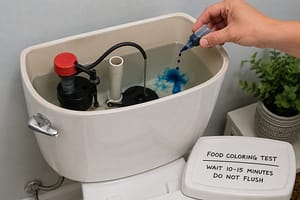
A toilet can waste a surprising amount of water without making much noise. Add a few drops of food coloring to the tank and wait 10 to 15 minutes before flushing. If color appears in the bowl, the flapper is leaking.
Also, listen for brief refills when nobody has used the toilet. That can mean a slow tank leak or a fill valve problem. These are often straightforward repairs, but in some apartments, the shutoff valve at the toilet may be stuck or unreliable. If the valve will not turn easily, do not force it. A broken shutoff can turn a simple repair into an emergency.
Inspect caulking and seals around wet areas
Plumbing maintenance is not only about pipes. Failed caulk around tubs, showers, and sinks allows water to get where it should not. Over time, that leads to soft walls, damaged trim, and mold problems that get blamed on plumbing even when the pipework is fine.
Check for gaps, peeling sections, or dark mildew that returns quickly after cleaning. Re-caulking is basic maintenance, but the surface has to be clean and dry, or the new bead will fail early.
Protect the drains from the problems you can prevent
Most apartment drain calls come from habits, not defects. Grease in the kitchen and hair in the bathroom are still the top two troublemakers.
In the kitchen, avoid putting grease, oil, coffee grounds, rice, pasta, or fibrous food scraps down the sink. Even with a garbage disposal, the drain line is not a trash chute. Grease may go down warm and come back to haunt you once it cools further along the pipe.
In the bathroom, use a simple hair catcher in the tub and shower. Clean it regularly so water does not start bypassing it. If you share the apartment, this one small step prevents many service calls.
Know your shutoffs before you need them
One of the most useful apartment plumbing maintenance tips has nothing to do with cleaning or repairs. Know where your shutoff valves are and whether they actually work.
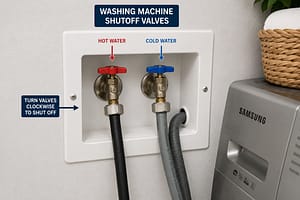
At a minimum, locate the shutoff under each sink, behind the toilet, and for the washing machine if your unit has one. If you own the apartment or manage the unit, you also know the main unit shutoff if there is one. In some buildings, the main shutoff may be in a mechanical room and not directly accessible.
Do not crank old valves open and closed aggressively. A valve that has not moved in years can start leaking from the stem once disturbed. Test gently. If it feels seized, make a note and have it replaced during normal service hours, rather than learning about it during a burst-hose event.
Don’t ignore water pressure changes
Pressure tells a story. If pressure drops suddenly at one fixture, the aerator or showerhead may be clogged with debris. If it drops throughout the apartment, the issue may be upstream, such as a supply problem, a failing pressure regulator in the building, or ongoing maintenance work.
On the other side, pressure that feels too strong is not a bonus. High pressure shortens the life of supply lines, valves, faucets, and appliances. If you notice banging pipes, jumping hoses, or repeated fixture failures, pressure should be checked. That is especially true in buildings where municipal supply conditions fluctuate.
Pay attention to the water heater if your apartment has one
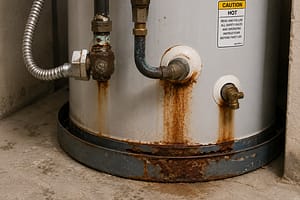
Some apartments have a dedicated water heater inside the unit, while others rely on a central building system. If yours has its own heater, inspect the area around it regularly. Look for rust trails, water at the base, corrosion on connections, or a relief valve discharge line that appears to have been dripping.
Listen too. Popping or rumbling can suggest sediment buildup. That does not always mean failure is immediate, but it does mean the unit is working harder than it should. Water heaters in closets or utility rooms are easy to forget because they sit out of sight until they leak.
What renters should handle, and what should be reported
This part depends on your lease and the building rules. In general, renters can safely handle basic upkeep such as keeping drains clear of hair and grease, watching for leaks, cleaning aerators, and reporting changes quickly.
Anything involving shutoff replacement, supply lines inside walls, recurring backups, ceiling stains, sewer odors, or leaks that affect adjacent units should be reported right away. Waiting to see if it gets better is where small plumbing issues become insurance claims.
If you are an owner or property manager, a fast response matters just as much as the quality of the repair. Documentation helps. Take photos, note when the problem started, and keep records of repeat issues at the same fixture. Patterns matter in plumbing.
When DIY makes sense, and when it doesn’t
There is real value in doing the simple things yourself. Replacing a flapper, cleaning a trap, or resealing around a sink can save money and prevent damage. But apartment plumbing has more limits than many people realize.
If a clog keeps returning, if more than one fixture is involved, if water is appearing where no fixture exists, or if a repair requires cutting into walls or floors, it is time to bring in a professional. The goal is not to prove you can do everything. The goal is to solve the problem without creating a bigger one.
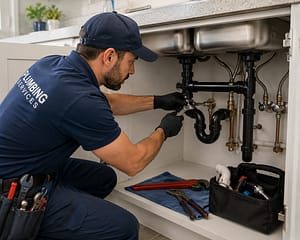
That is the approach Ainstheplumber teaches every day – handle the maintenance that prevents trouble, spot the warning signs early, and get expert help before a hidden leak or drain issue becomes a building-wide mess.
A simple maintenance routine that actually gets done
The best routine is the one you will repeat. Once a month, check under sinks, look around toilets, and scan visible supply lines. Every few months, clean aerators, inspect caulk, and test toilets for silent leaks. Stay alert for slower drains, unusual odors, banging pipes, or changes in pressure.
None of this takes long. What it does is give you a baseline. And once you know what normal looks like in your apartment, the next plumbing problem is a lot easier to catch before it gets expensive.
A well-maintained apartment plumbing system rarely asks for attention all at once. It gives small warnings first. If you learn to notice them, you will save money, avoid damage, and make better repair decisions when they count.
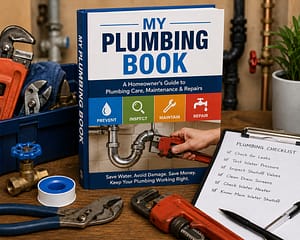
Recommended Tools & Plumbing Guide
As a plumber with over 20 years of experience, I’ve seen how the right tools can make the difference between a quick fix and major damage. I’ve put together a list of trusted plumbing tools and leak detection products that homeowners can use to catch problems early and protect their homes.
👉 Browse my recommended tools and products here
📘 Get my practical plumbing guide:
https://www.amazon.com/dp/B0F9ZZJCJG
— Ainsworth Dickenson
Your Go-To Plumbing Expert