Introduction
If your toilet is not flushing properly, you’re not alone. This is one of the most common plumbing problems homeowners face — and it can be frustrating, messy, and inconvenient.
The good news?
Most flushing problems can be fixed quickly without calling a plumber.
In this guide, you’ll learn the real reasons your toilet isn’t flushing properly and how to fix them step by step.
🚨 Common Reasons Your Toilet Is Not Flushing Properly
1. Low Water Level in the Tank
If the toilet tank does not contain enough water, the flushing mechanism will not work effectively, resulting in a weak flush that may not fully clear the bowl. It’s important to ensure the tank is adequately filled to guarantee a strong, efficient flush each time.
Fix:
- Open the tank lid
- Check water level (should be about 1 inch below overflow tube)
- Adjust the float if needed
2. Clogged Toilet or Drain
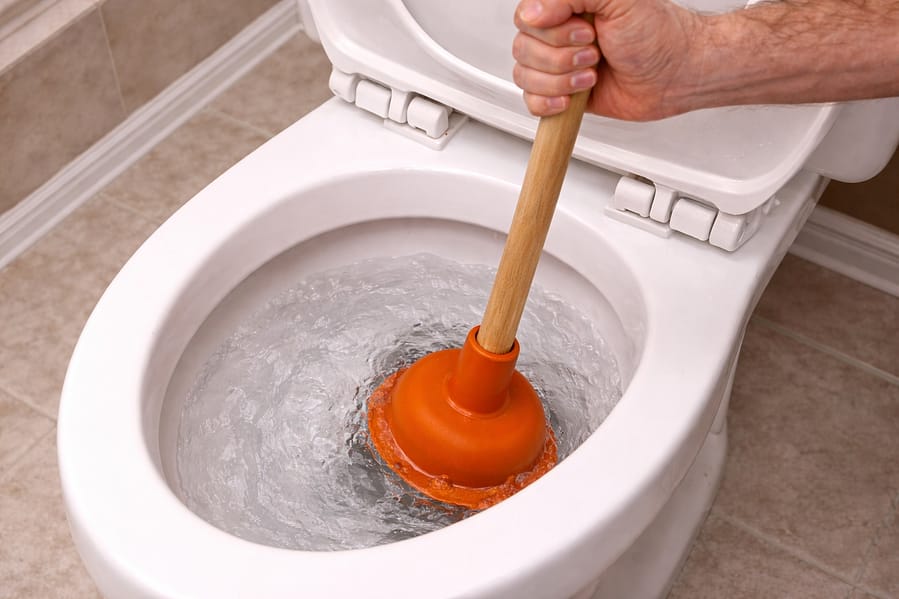
A partial blockage in the plumbing system can significantly hinder the toilet’s ability to flush properly. This obstruction may restrict the flow of water and waste, leading to incomplete flushing and frequent clogs. Ensuring the toilet is free of blockages is essential for optimal performance.
Fix:
- Use a plunger
- Try a toilet auger (plumber’s snake) if needed
3. Faulty Flapper Valve
The toilet tank flapper is a crucial component that controls the flow of water into the toilet bowl. When you flush the toilet, the flapper lifts, allowing water from the tank to flow into the bowl and enabling the flushing process. Once the tank is empty, the flapper falls back into place, sealing the tank and allowing it to refill with water for the next use. Proper flapper function ensures an effective flush and helps prevent leaks.
Fix:
- Check if the flapper is worn or damaged
- Replace if necessary (cheap and easy fix)
4. Blocked Toilet Bowl Rim Holes
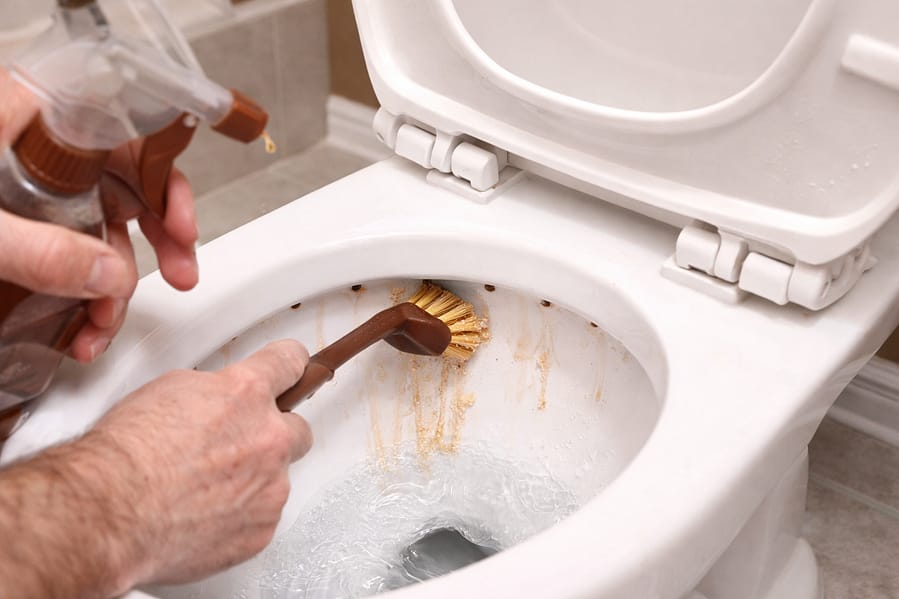
Mineral buildup can accumulate over time and block the small holes located underneath the rim of the toilet bowl. This obstruction can prevent water from flowing effectively during each flush, reducing flushing performance and potentially causing sanitation issues. Regular cleaning and maintenance can help prevent this buildup and ensure that the toilet functions properly.
Fix:
- Use vinegar or a brush
- Clean holes carefully
5. Chain or Handle Problems
If the chain connected to the toilet tank flapper is either too loose or too tight, it can prevent the flapper from functioning correctly. A loose chain may allow the flapper to close too quickly, causing incomplete flushing, while a chain that is too tight may prevent the flapper from fully opening, resulting in a weak flush. To ensure proper operation, adjust the chain length so the flapper rises and falls freely, enabling efficient flushing and preventing water-flow issues.
6. Vent Pipe Issues
A blocked vent pipe can significantly affect your toilet’s flushing power. The vent pipe allows air to enter the plumbing system, helping maintain proper pressure and enabling waste to flow smoothly through the pipes. When this pipe becomes obstructed, it can create a vacuum effect, leading to weak flushes, incomplete waste removal, and potential backups. Regularly checking and clearing your vent pipe can help ensure optimal toilet performance and prevent plumbing issues.
Fix:
- Check for debris on the roof vent
- Call a professional if unsure
⚠️ When to Call a Plumber
If your toilet still isn’t flushing properly, it could be:
- Deep sewer blockage
- Damaged pipes
- Serious plumbing issue
🔗 Recommended Reading
🔗 Recommended Tools
💡 Pro Tips to Avoid Flushing Problems
- Don’t flush wipes or foreign objects
- Clean your toilet regularly
- Check tank parts every few months
- Use enough water for proper flushing
📢 Get More Plumbing Help
Want to avoid plumbing problems and fix issues like a pro?
Conclusion
A toilet that doesn’t flush properly can often be resolved with a few straightforward steps. First, it’s important to identify the underlying cause of the issue. Common problems may include a clogged drain, a faulty flapper, or an improper water level in the tank.
By addressing these issues promptly, you not only save money on possible repairs but also minimize the stress associated with a malfunctioning toilet. Regular maintenance and a quick diagnosis can help ensure that your plumbing system continues to function efficiently, ultimately extending the lifespan of your fixtures. Taking the time to understand these basic plumbing principles can significantly improve your home’s overall comfort and functionality.
Join me on Patreon for more Plumbing Teaching and Instructions: https://bit.ly/4tTeJOJ
Ainsworth Dickenson
Your Go-To Plumbing Expert 🔧