A shower that drains slowly can seem harmless. A sink that gurgles now and then is easy to ignore. But stop ignoring Signs of a Blocked Drain. What begins as a minor slowdown can become a sewage backup. It can damage flooring or create a foul-smelling room. It may require an emergency call at the worst possible time.
A drain blockage rarely appears without warning. In most homes, it builds gradually as soap residue, hair, grease, food debris, paper products, or mineral scale narrows the pipe. Catching the problem early gives you more options and usually costs far less than waiting for a full backup.
Stop Ignoring These Signs of a Blocked Drain
Water drains slowly
Typically, slow drainage is the most common early warning sign of Signs of a Blocked Drain.
Typically, you may notice water pooling around your feet in the shower.
It may linger in the kitchen sink or take several minutes to drain from a bathroom basin.
A plunger or a simple drain cleaning may help when the blockage is close to the fixture.
However, repeated slow drainage means the buildup is still there or the restriction is farther down the line.
Pay attention to whether one fixture is slow or several are affected. For example, one slow sink often points to a local clog in that sink’s trap or branch drain. A slow shower, toilet, and bathroom sink together can indicate a blockage in the shared bathroom drain. Look for Signs of a Blocked Drain to guide next steps. When fixtures throughout the house are draining poorly, the main sewer line needs professional attention.

Gurgling sounds from a drain or toilet
Drains should move water quietly. Gurgling, bubbling, or glugging sounds mean air is struggling to move through the pipe as water passes a restriction. The pipe is not flowing at full capacity, so the system pulls or pushes air through nearby fixture traps.
You might hear the toilet bubble when the washing machine drains or hear the shower gurgle after flushing. That cross-fixture behavior is especially useful information. It suggests the problem is not limited to one drain opening. Do not keep flushing or running large loads of water to test it. If the line is partially blocked, that extra water can force a backup through the lowest drain in the home.
Bad odors that return after cleaning
A dirty sink or shower drain can smell unpleasant, and Signs of a Blocked Drain deserve closer inspection. Food waste, grease, hair, and soap scum trapped in a drain create bacteria and odor over time. In some cases, a blockage prevents the pipe from draining fully, leaving contaminated water in the line.
Start by cleaning the stopper, strainer, and accessible drain opening. Then run water to confirm the fixture drains normally. If the smell returns quickly, or if it smells like sewage rather than ordinary grime, the issue may be deeper in the plumbing system. A dry trap, damaged vent, or sewer-line issue can also cause sewer odors, so avoid assuming that pouring a stronger chemical down the drain is the answer.
Water backs up in an unexpected fixture
This is one of the clearest signs that a blockage is beyond a single fixture. For example, flushing a toilet may send water into the bathtub. Running the kitchen sink may cause water to rise in a nearby floor drain. Using the washing machine may make a shower drain overflow.

When this happens, stop using water in that part of the property immediately. Do not run the dishwasher, washing machine, shower, or additional faucets. If wastewater is coming up through a tub, shower, or floor drain, treat it as contaminated. Keep people and pets away, wear protective gloves if cleanup is unavoidable, and arrange for the blockage to be diagnosed.
The toilet clogs more than once
A toilet can clog because too much paper was used at once. That does not automatically mean there is a major drain problem. But a toilet that repeatedly clogs, flushes weakly, rises too high before draining, or needs frequent plunging is telling you something.
The obstruction could be in the toilet trap, especially if a small object was flushed. It could also be in the branch line or main sewer line. If a plunger clears the toilet but the problem returns, do not keep treating the symptom. A proper inspection can identify where the restriction is and whether roots, scale, damaged pipe, or an object is involved.
Standing water near a floor drain or outside
Standing water around a basement, utility-room, garage, or commercial floor drain should never be ignored. It may be a simple floor-drain blockage, but it can also mean wastewater has nowhere else to go. This is particularly urgent after heavy water use, storms, or a washing machine discharge.
Outside, wet patches, unusually green grass, sewage odors, or soft ground near a sewer line can point to a damaged underground pipe. In warmer climates, shifting soil, aging piping, and root intrusion can all affect buried drain lines. These are not DIY digging jobs. The right diagnosis may require a camera inspection to locate the issue without unnecessary excavation.
What You Can Safely Try First
For a single slow sink, tub, or shower, begin with the simple steps. Remove visible hair and debris from the stopper or strainer. Use a plunger correctly by covering the overflow opening on a sink or tub, then make several firm plunges with enough water to cover the plunger cup. A hand auger can also clear many nearby clogs when used carefully.

In a kitchen sink, remove grease and food buildup from the strainer and disposal splash guard if applicable. Never put your hand into a garbage disposal unless the power is disconnected. If the disposal is jammed, use the manufacturer-approved reset and wrench method rather than forcing objects into the chamber.
Avoid relying on chemical drain cleaners. They can damage older pipes, harm seals, create dangerous splashes, and make professional work more hazardous if the clog remains. They also do little for serious obstructions such as roots, collapsed pipe, or heavy mineral buildup. A mechanical cleaning method is usually safer and more effective.
When It Is Time to Call a Plumber
Call for professional help when more than one fixture is affected. Sewage is backing up. The same drain keeps clogging. You suspect an underground line issue. These situations often require equipment that reaches farther than a household snake, along with experience interpreting what the plumbing system is doing.
A drain camera inspection can be worthwhile when clogs return. It helps distinguish between a soft blockage, root intrusion, cracked pipe, offset joints, or a line with severe scale. The right repair depends on the cause. Snaking may clear a temporary obstruction, while hydro jetting, pipe repair, or line replacement may be a better long-term solution in other cases.

Property managers and small business owners should act quickly when a shared drain line shows trouble. One blocked line can affect several tenants, disrupt operations, and create sanitation concerns. Document the symptoms, limit water use, and get the drain checked before a minor complaint turns into a cleanup problem.
Prevent the Next Blockage
Good drain habits make a real difference. Keep hair out of shower drains with a simple screen. Put grease in a container, not down the kitchen sink. Use toilet paper in reasonable amounts and never flush wipes, paper towels, hygiene products, or so-called flushable products. However, they do not break down like toilet paper and are a common cause of stubborn clogs.
For older homes or buildings with a history of drain trouble, preventive maintenance is a smart investment. A scheduled cleaning or inspection can reveal developing issues before they interrupt your day. At Ainstheplumber, the advice is always the same: deal with the warning while it is still a warning. A drain that is only slow today may be the backup that damages your property tomorrow.
Recommended Tools & Plumbing Guide
As a professional plumber with over 20 years of experience, I have seen how the right tools, reliable products, and regular maintenance can help homeowners identify plumbing problems early and prevent unnecessary damage.
Disclosure: This article contains affiliate links. If you purchase through one of these links, I may earn a commission at no additional cost to you. As an Amazon Associate, I earn from qualifying purchases.
⭐ Enjoy convenient shopping and delivery options—explore Amazon Prime benefits and eligibility. Availability and benefits may vary by location.
👉 Browse my recommended plumbing tools and products
🔧 Visit my Plumbing Solutions Store
Get My Practical Plumbing Guide
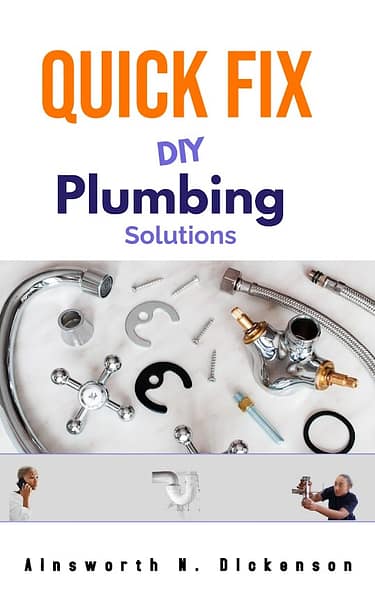
Build your plumbing knowledge and approach common household problems with greater confidence using Quick Fix DIY Plumbing Solutions.
Kindle Unlimited members may also read the eBook through their membership while it remains enrolled in KDP Select.
Ainsworth Dickenson
Professional Plumber & Author
AinsThePlumber