A toilet that blocks once can be a bad flush.
It indicates inconsistent water flow or partial clog buildup over time.
Additionally, if it blocks weekly, it signals a fixture issue.
It may involve the drain or what goes into the bowl.
This explains why toilets keep blocking.
Understanding Why toilets keep blocking helps homeowners act sooner. It can prevent overflow damage, wasted money on temporary fixes, and bigger drain repairs later. Regular maintenance, proper waste disposal, and careful flushing habits can reduce future blockages. Consult a plumber if problems persist to avoid costly repairs. Early action also protects your home from water damage.
The first rule is simple: do not keep flushing a toilet that is already rising. Remove the tank lid and push the flapper closed if water continues entering the bowl, then wait for the level to drop. A few calm minutes can prevent a messy bathroom flood.
Why toilets keep blocking in the same home
Many repeat clogs fall into two categories. A restriction near the toilet is one, or there is a problem farther down the drain line. The right fix depends on which one you are dealing with, and Understanding Why toilets keep blocking can help.

Too much paper or non-flushable material
A modern toilet is designed to move waste and a reasonable amount of toilet paper. It is not designed to handle wipes, paper towels, facial tissues, cotton swabs, dental floss, feminine hygiene products, diapers, or small toys. Even products labeled “flushable” can remain intact long enough to snag in a bend or join other debris farther down the line.
Why toilets keep blocking often occurs after using a lot of paper, yet it may clear with a plunger.
Additionally, try reducing the amount of paper used per flush and pause to flush partway through when needed.
This is especially useful in homes with older low-flow toilets that do not produce a strong siphon.
But do not assume paper is always the answer. When a toilet clogs with normal use, something else is usually restricting the flow.
A partial blockage in the toilet trap
Every toilet has an internal S-shaped passage called a trapway. It holds water to stop sewer gas from entering the room, but it is also a common place for objects to get stuck. A child’s toy, air freshener clip, toothbrush cap, or a buildup of material can sit in the trapway and allow small flushes to pass while stopping anything larger.
This type of clog usually affects one toilet only. You may notice that it flushes weakly, the bowl fills higher than normal before slowly draining, or it needs frequent plunging. A flange-style toilet plunger may clear soft material, but it will not reliably remove a solid object.
A closet auger, also called a toilet auger, is the safer tool for investigating a stubborn toilet trap. Its protective sleeve helps prevent scratching the porcelain while the cable reaches through the trapway. Feed it in gently, turn the handle, and pull it back out. Do not force the cable aggressively. If you feel a hard object that will not move, removing the toilet may be necessary to retrieve it without damaging the fixture.
A weak flush is creating repeat clogs
A toilet can be clear and still clog often if it does not flush with enough force. Lift the tank lid and check the water level. It should normally sit near the marked fill line, usually about an inch below the top of the overflow tube. A low water level means less water enters the bowl during a flush, reducing the force needed to carry waste through the trap and drain.
Also check whether the flapper is closing too early. If it drops before enough tank water is released, the toilet may give a short, weak flush. Mineral buildup around the rim holes or siphon jet can also reduce performance, particularly in areas with hard water. Cleaning these passages carefully can improve the flush, though an older toilet with heavy internal scaling may never perform like a newer, properly designed model.
A problem in the branch drain line
When plunging gives temporary relief but the clog returns, the restriction may be beyond the toilet. The drain line serving that bathroom can collect paper, scale, grease from nearby fixtures, roots, or debris over time. In older properties, pipe condition matters as much as what gets flushed.
A branch line issue may show up as a toilet that gurgles, drains slowly, or bubbles when the shower, sink, or washing machine is used. Water moving through another fixture can push air back toward the toilet because the pipe cannot flow freely. At that point, repeated plunging treats the symptom, not the cause.

A drain machine or professional inspection may be needed to clear and identify the blockage. The correct tool matters. A light cable can poke a small opening through soft buildup, while heavier roots or a damaged line may require more specialized cleaning and camera inspection. Pouring chemical drain cleaner into the toilet is not a substitute. It can damage components, create a hazard for whoever works on the drain next, and rarely solves a serious recurring blockage.
A sewer line or venting issue
If several drains are acting up, think beyond one bathroom. A toilet that backs up when the washing machine drains, a shower that fills when the toilet is flushed, or sewage appearing in a tub are warning signs of a main sewer line problem. Stop using water in the home as much as possible until the issue is assessed. Every additional flush or load of laundry can add more wastewater behind the blockage.
Tree roots are a frequent cause in properties with older underground sewer pipes. Roots seek moisture and can enter through tiny joints or cracks, then expand into a thick blockage. Settled, cracked, or poorly sloped pipes can also hold solids and create recurring clogs. These problems need diagnosis, not guesswork.
A blocked plumbing vent can sometimes contribute to slow, noisy drains by preventing air from balancing properly in the system. However, homeowners should be cautious about climbing on roofs to inspect vents. A visible roof vent is not proof that the system is clear, and the fall risk is real. A professional can test the drainage and venting system safely.
What homeowners can do before calling for help
First, observe the pattern. Why toilets keep blocking can indicate the likely next steps. Additionally, does the problem happen only after a large flush, or even with ordinary use? Does the bowl water rise and then slowly fall, or does it remain high? These details point to the likely location of the restriction and help avoid paying for the wrong repair.
For a single, ordinary toilet clog, use a quality flange plunger. Make sure there is enough water in the bowl to cover the rubber cup, seal the plunger over the drain opening, and use controlled strokes for 15 to 20 seconds. The goal is to move water through the trapway, not just splash around the bowl. Test with one flush after the water level has returned to normal.
If plunging does not work after a few attempts, use a toilet auger rather than escalating to chemicals or makeshift tools. Never use a wire hanger. It can scratch the porcelain, damage the trapway, and make the problem harder to solve.

For prevention, keep a covered trash can beside every toilet and make the household rule clear: only human waste and toilet paper go down. If young children are present, consider a toilet lid lock or teach them early that the toilet is not a place for toys. Small habits prevent many emergency calls.
When a repeat blockage needs a plumber
Call for professional help when the toilet repeatedly clogs with normal use, a toilet auger cannot clear it, wastewater appears in another fixture, or you smell sewage near drains. You should also get help if the toilet rocks at the base, leaks around the floor, or has suddenly changed from flushing normally to flushing poorly. Those signs can point to a loose seal, a damaged toilet, or a drain problem that will not improve with more plunging.

For property managers and owners of older homes, recurring clogs are worth documenting. Note the unit, fixture, timing, and nearby drains affected. A clear pattern helps a plumber determine whether the issue is inside one toilet, on a shared branch line, or in the main sewer connection. That can make the service visit faster and the repair more accurate.
A toilet should handle normal daily use without drama. If yours needs constant attention, treat it as useful information, not a nuisance to keep pushing down the pipe. A careful check now can protect your bathroom, your floors, and your budget from the kind of backup that never happens at a convenient time.
Recommended Tools & Plumbing Guide
As a professional plumber with over 20 years of experience, I have seen how the right tools, reliable products, and regular maintenance can help homeowners identify plumbing problems early and prevent unnecessary damage.
Disclosure: This article contains affiliate links. If you purchase through one of these links, I may earn a commission at no additional cost to you. As an Amazon Associate, I earn from qualifying purchases.
⭐ Enjoy convenient shopping and delivery options—explore Amazon Prime benefits and eligibility. Availability and benefits may vary by location.
👉 Browse my recommended plumbing tools and products
🔧 Visit my Plumbing Solutions Store
Get My Practical Plumbing Guide
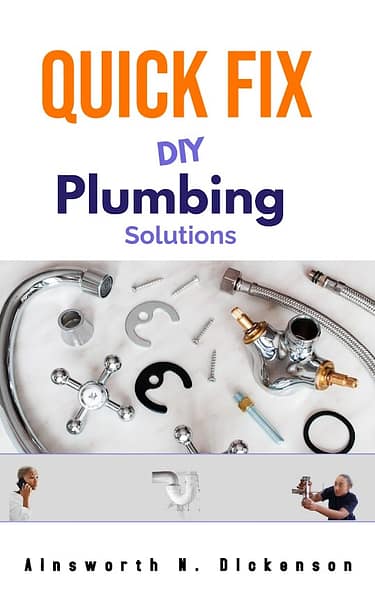
Build your plumbing knowledge and approach common household problems with greater confidence using Quick Fix DIY Plumbing Solutions.
Kindle Unlimited members may also read the eBook through their membership while it remains enrolled in KDP Select.
Ainsworth Dickenson
Professional Plumber & Author
AinsThePlumber